Application of Hyperspectral Imaging and Artificial Intelligence in Biochar Assessment: A New Step Forward in Research Collaboration between Vietnamese and UK Universities
Trường Hóa và Khoa học sự sốnghttps://scls.hust.edu.vn/uploads/scls/logo-dhbk-1-02_130_191.png
Wednesday - 11/03/2026 16:16
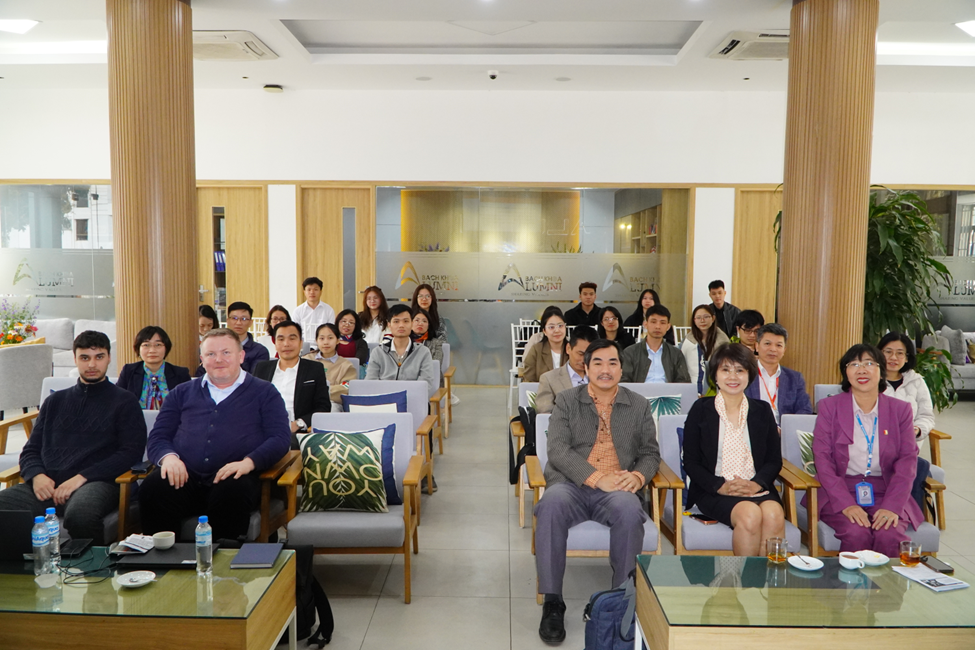
On the morning of March 11, the School of Chemistry and Life Sciences (SCLS), Hanoi University of Science and Technology (HUST), organized an international scientific seminar within the framework of the UK-Vietnam iTechpart project titled “Building UK-Viet Nam Talent in Clean Energy and Carbon-Negative Materials: Advanced Biochar Quality Assessment with Hyperspectral Imaging and ML/AI” funded by the British Council. The event took place at the BK Alumni building and represents an important academic activity aimed at strengthening research collaboration between higher education institutions in Vietnam and UK, while also contributing to the development of highly qualified human resources in clean energy and environmentally friendly materials.
Focusing on the application of advanced technologies in assessing the quality of biochar produced from agricultural by-products, the seminar brought scientists, lecturers, and experts from several institutions, including the SCLS at HUST, Aston University (UK), and Thuy Loi University. The seminar served as a scientific forum for sharing the latest research findings in biomass conversion, biochar production and quality assessment, as well as sustainable environmental applications. These research directions are receiving increasing global attention in the context of accelerating efforts to reduce carbon emissions and promote a circular economy.
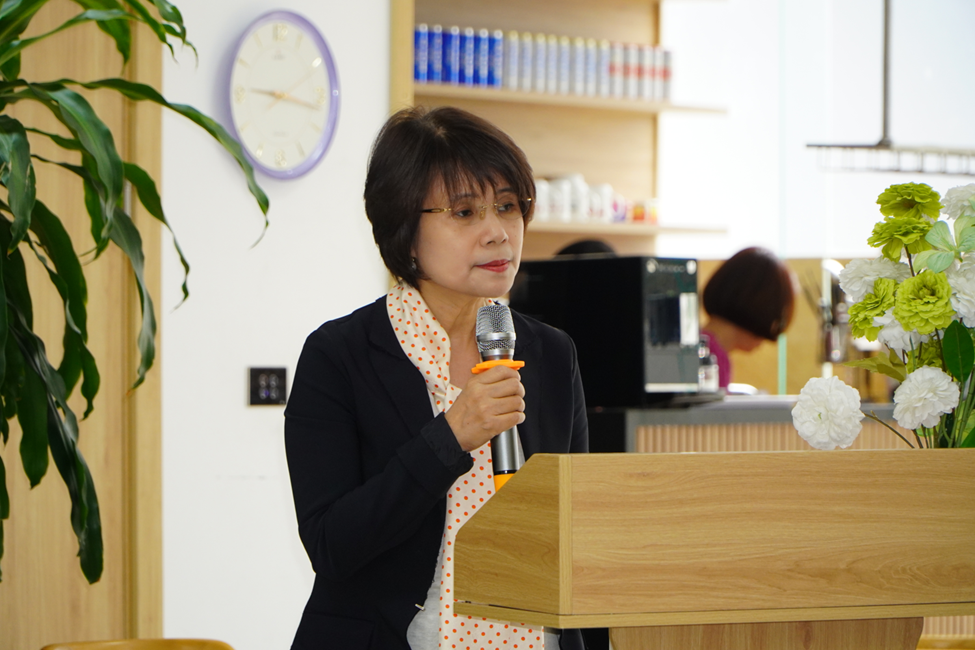
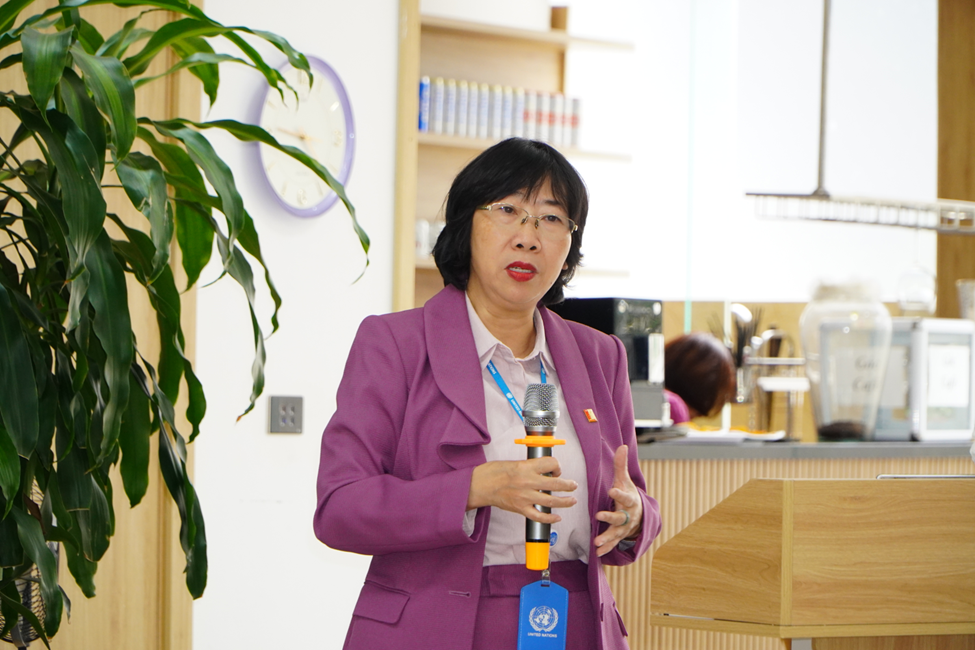
A/P Nguyen Thi Anh Tuyet gives opening remarks.
The program featured a series of specialized presentations from researchers in the fields of Chemistry, Chemical engineering, Environmental science and technology. The presentations focused on topics such as technologies for producing biochar from biomass, characterization of biochar materials, and applications of biochar in pollution treatment and environmental quality improvement.
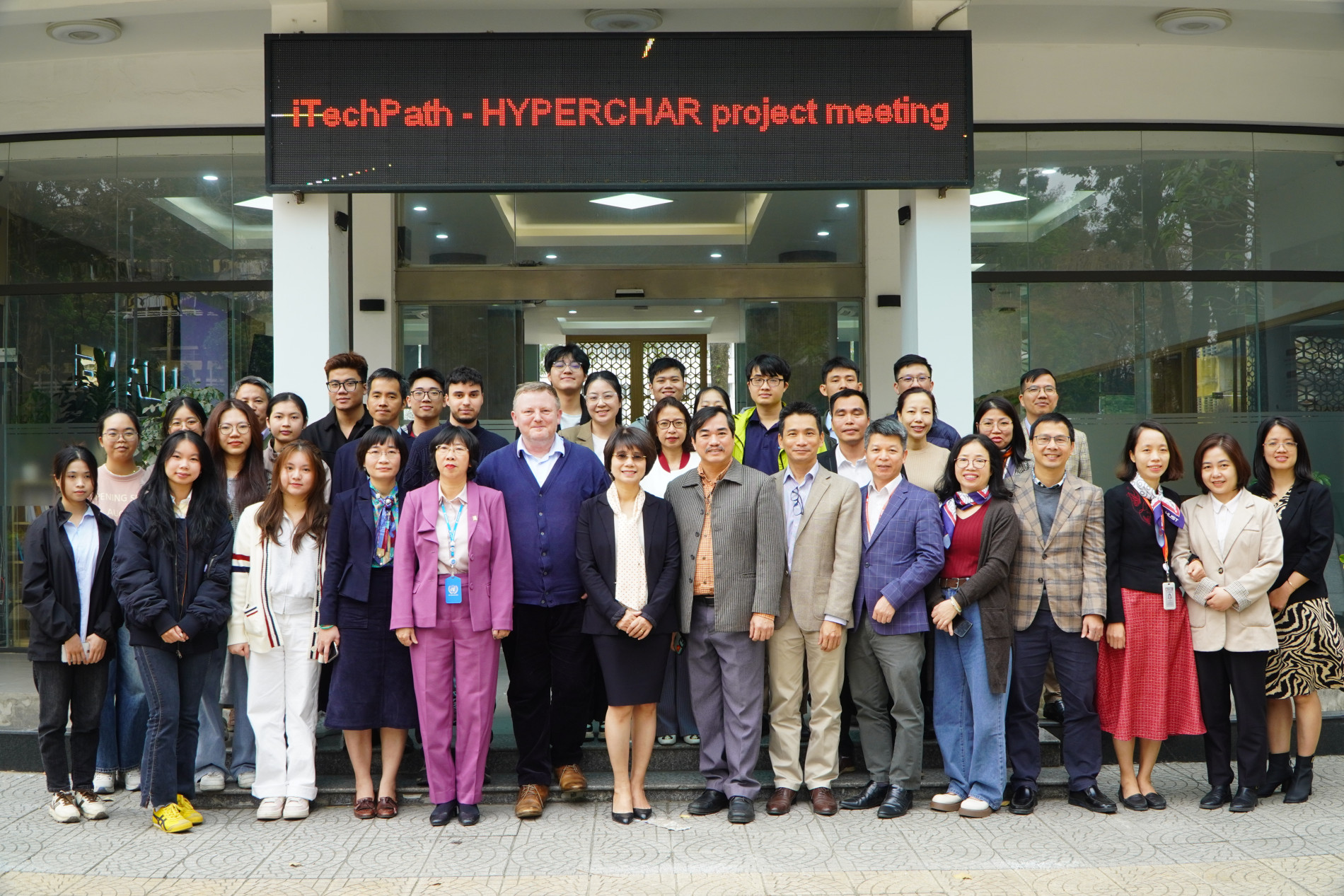
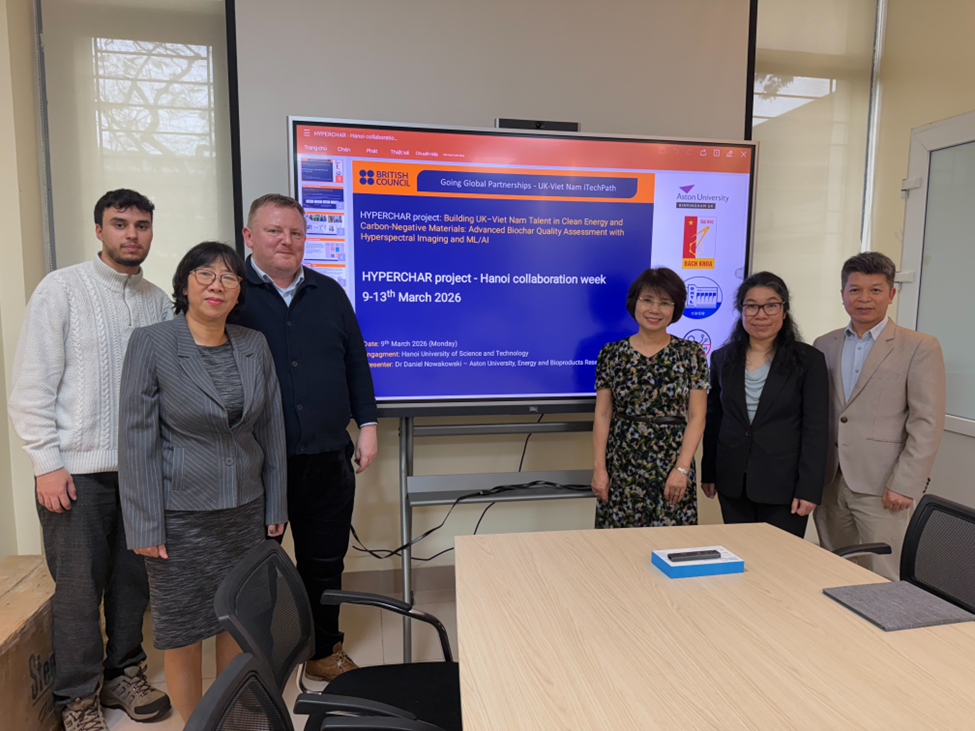
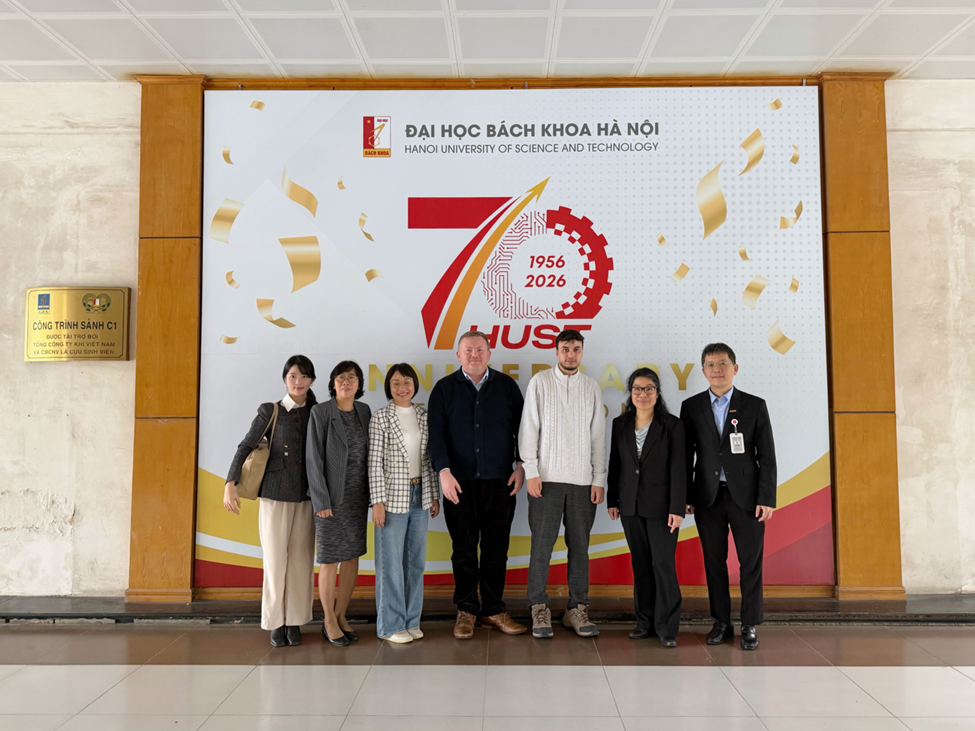
Delegations of the seminar.
Notably, experts introduced advanced approaches for biochar quality assessment using hyperspectral imaging technology combined with machine learning and artificial intelligence (ML/AI) models. This emerging research direction offers significant potential to enhance the efficiency and accuracy of biochar evaluation and to support the development of green technologies in the future.
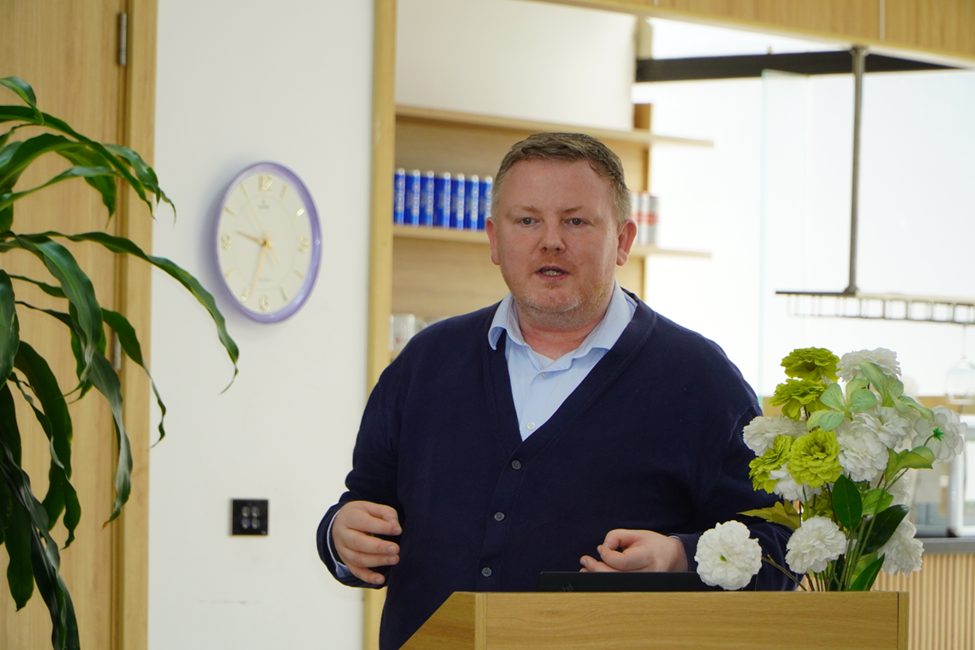
Prof. Daniel Nowakowski from Aston University.
In addition to scientific presentations, the seminar also included discussion sessions addressing the challenges and opportunities in biochar production and application, particularly in biomass waste management, resource recovery, and the development of carbon-sequestering materials.
A/P Hoang Thi Thu Huong from SCLS - HUST.
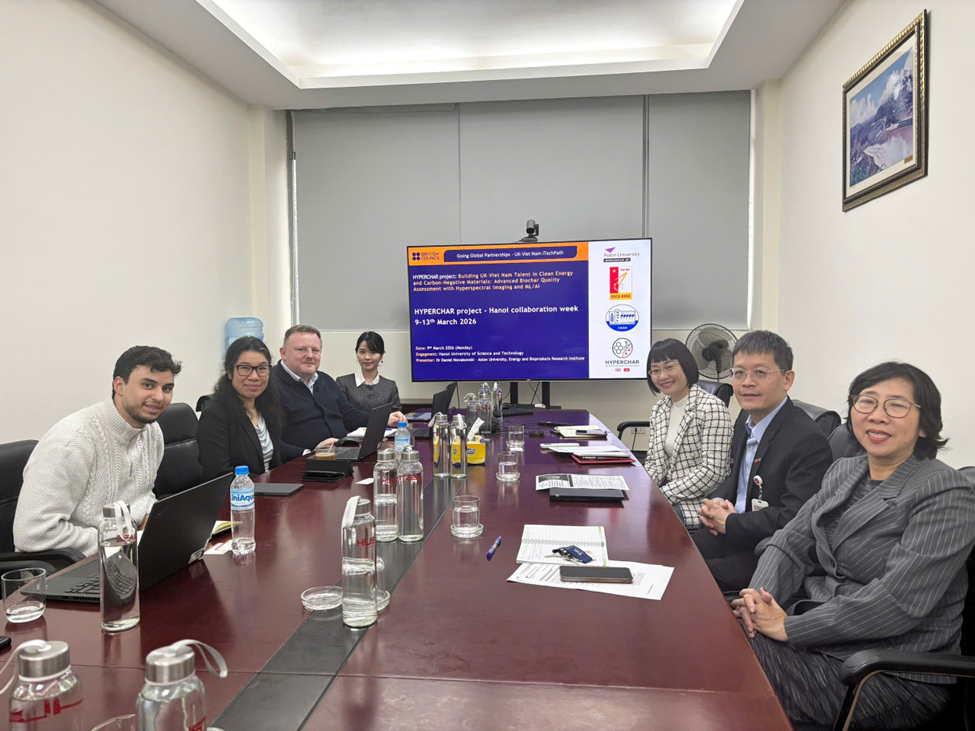
Prior to the seminar, the delegation from Aston University had a meeting with Assoc. Prof. Chu Ky Son, Dean of SCLS, and representatives from Department of Partnership and Engagement of HUST. During the meeting, both sides discussed opportunities for collaboration in education and scientific research, particularly in the areas of clean energy, green materials, and sustainable development.
A/P Chu Ky Son met the delegation.
Besides, a separate working session with Assoc. Prof. Nguyen Thi Anh Tuyet, Vice Dean of SCLS, and the Department of Environmental Science and Technology focused on developing a roadmap for talent-oriented engineering and master's programs in Environmental engineering, Environmental and natural resources management, and related fields. These initiatives align with the Vietnamese Government’s project “Human resource development for high-tech industries for the period 2025-2035 with a vision toward 2045”.
The activities under the iTechpart project not only represent a tight academic engagement but also demonstrate the growing partnership between educational and research institutions in Vietnam and UK. Through scientific exchange and cooperation initiatives, the project contributes to the development of highly qualified human resources in clean energy, carbon emission reduction, and environmental technologies.
The event also reaffirmed the role of the School of Chemistry and Life Sciences, HUST in promoting scientific research, expanding international collaboration, and contributing to sustainable development goals in the context of the global transition toward a green economy.