Trường Hóa và Khoa học sự sốnghttps://scls.hust.edu.vn/uploads/scls/logo-dhbk-1-02_130_191.png
Monday - 20/04/2026 14:14
In the context of climate change posing severe challenges to humanity, the transition to a circular economy is no longer an option but an inevitable path. The CEBCAT project—an international collaborative initiative to strengthen capacity for the transition to a circular economy—has clearly demonstrated the shared determination of participating countries, including Vietnam, to take concrete action toward a green and sustainable future.
Inspired by the spirit of the European “Green Deal,” CEBCAT aims to disseminate knowledge, experience, and sustainable development models to developing countries, particularly in Asia. This region is characterized by rapid economic growth, while simultaneously facing mounting pressures from environmental pollution, dependence on fossil fuels, and limitations in resource management.
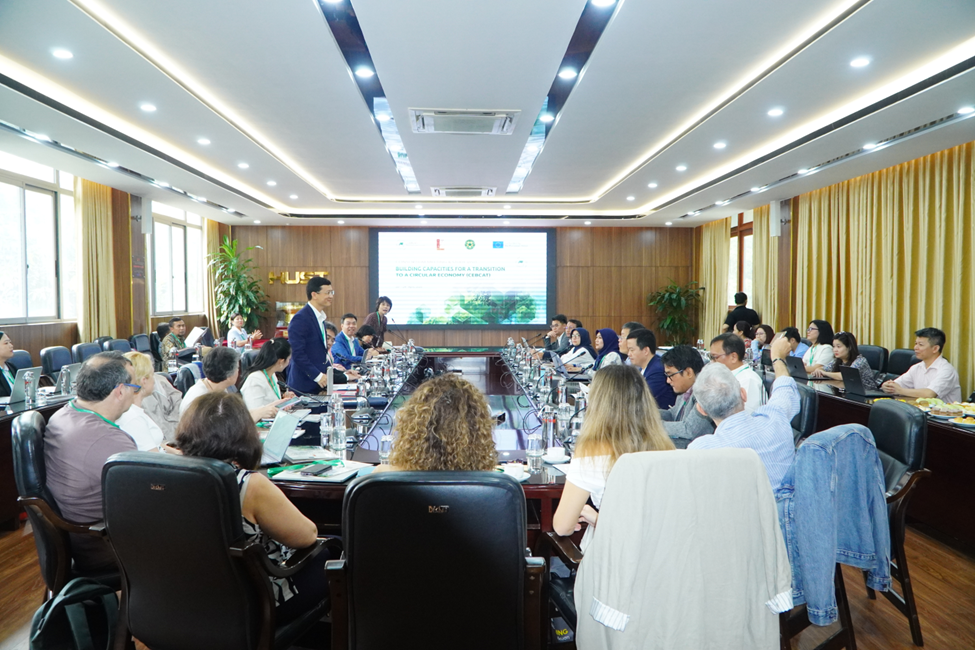
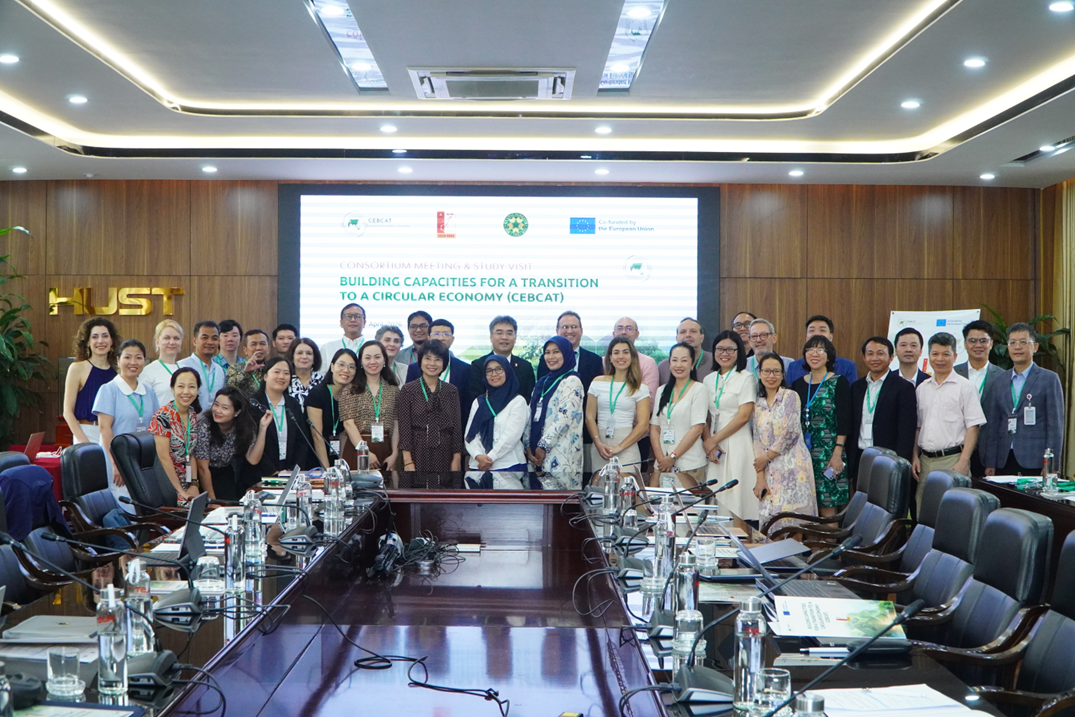
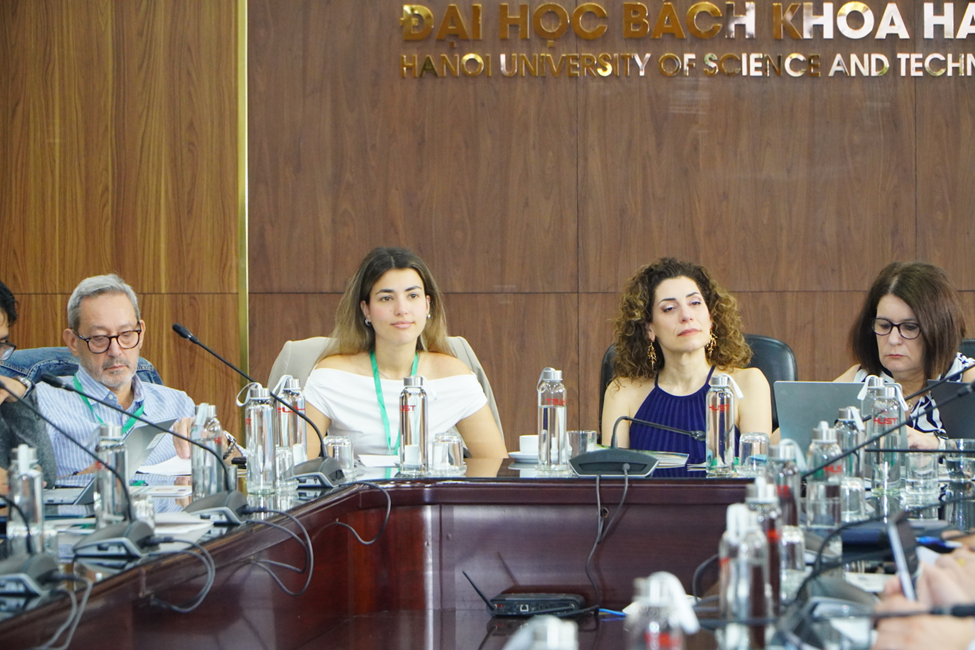
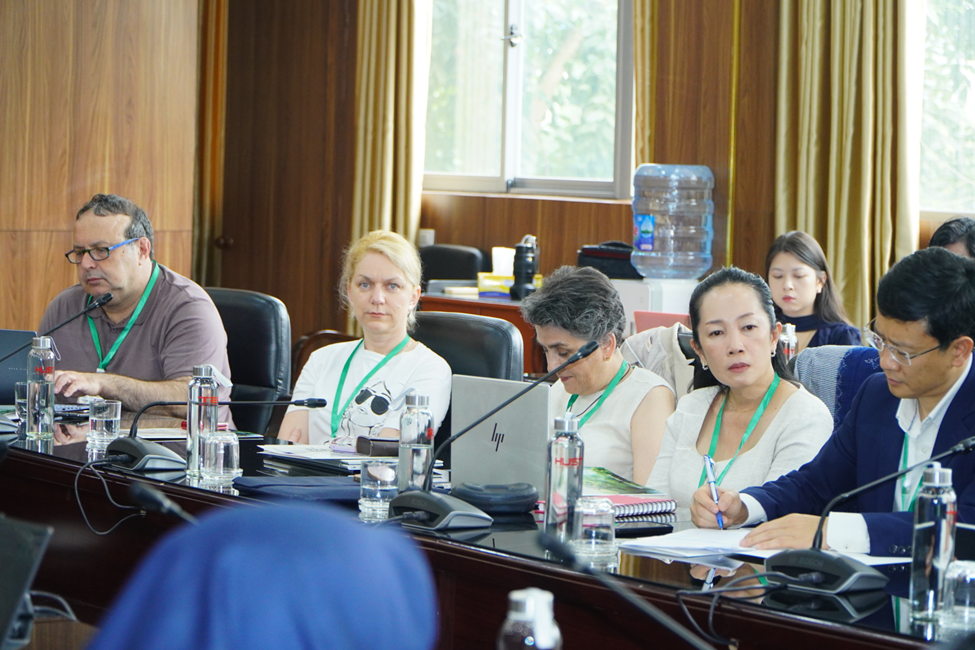
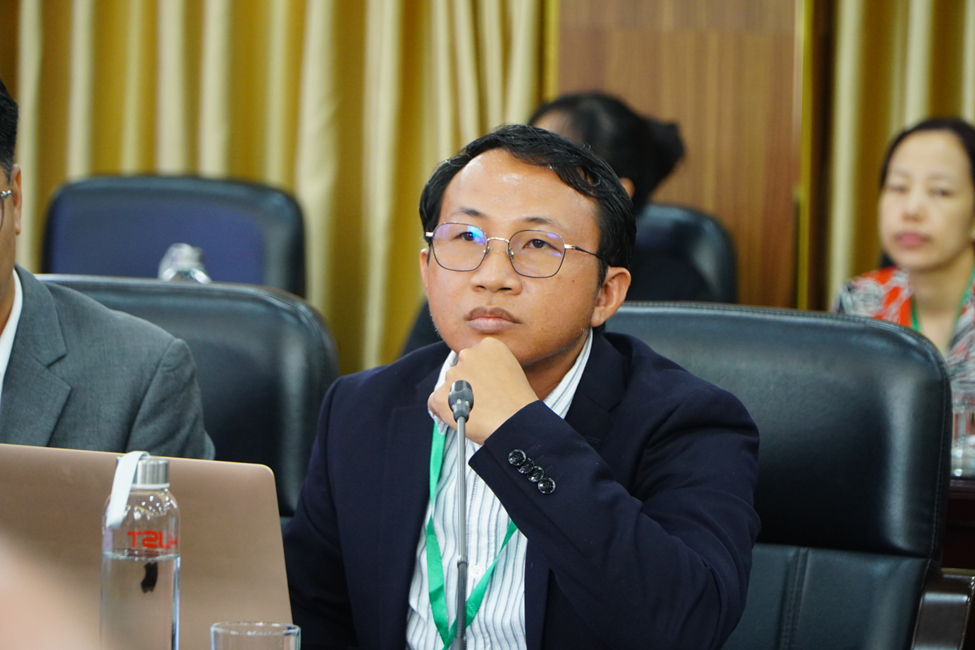
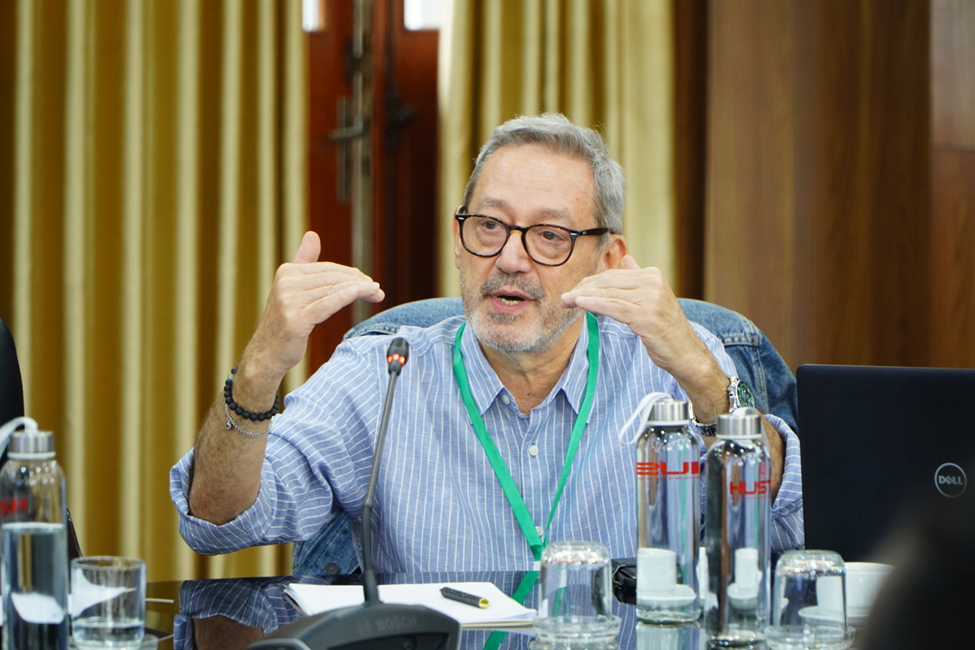
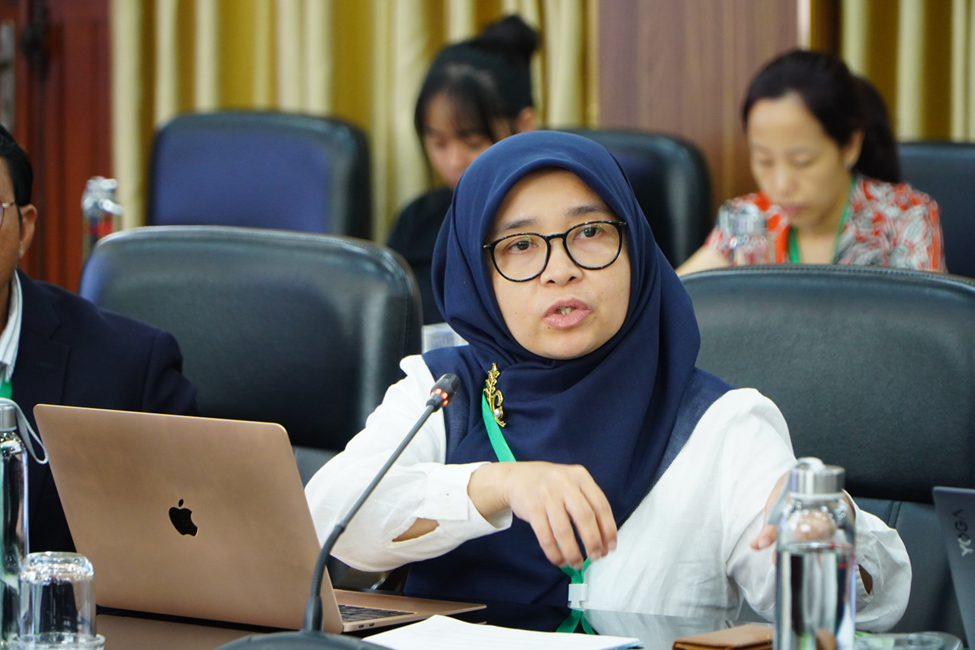
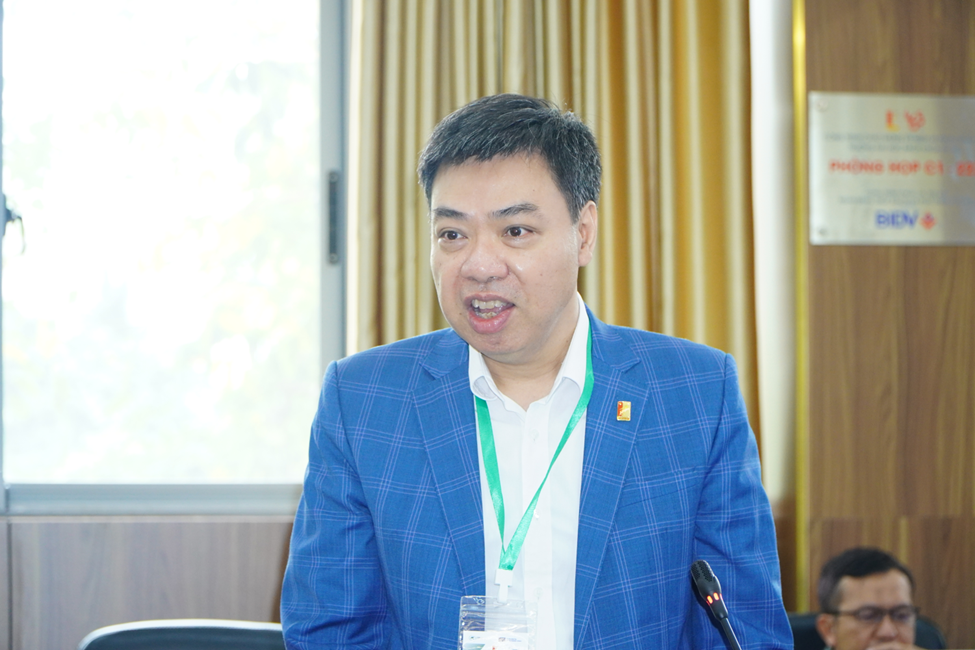
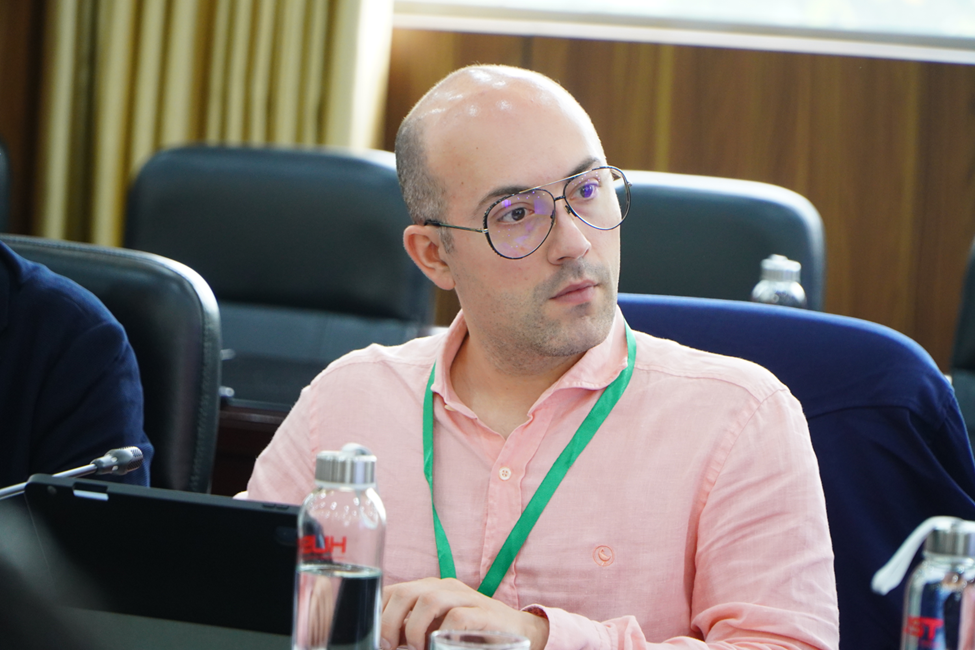
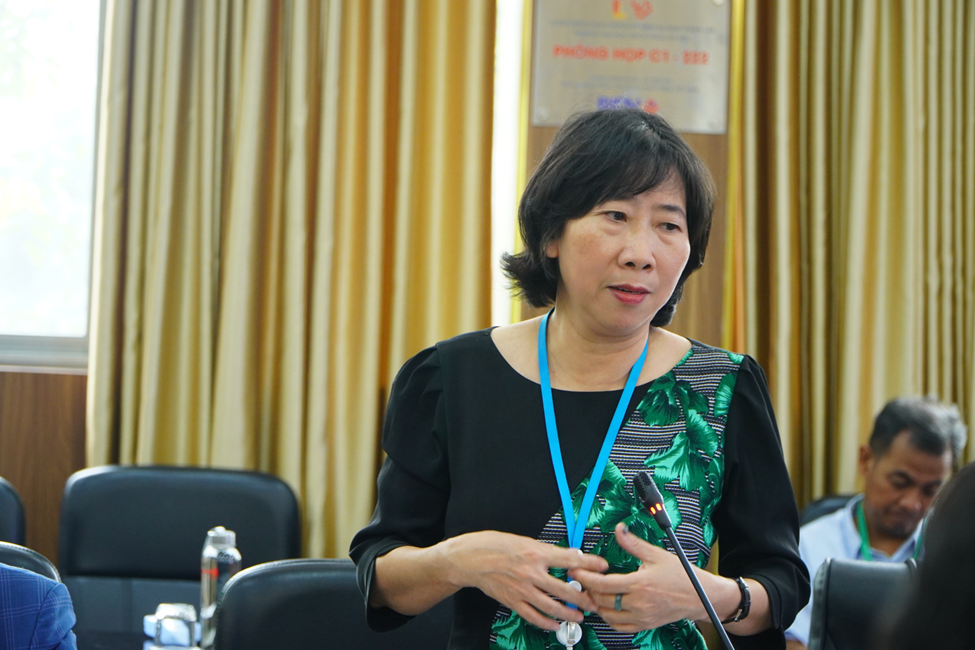
Overview of the meeting session at HUST.
The project goes beyond advocacy to deliver concrete and practical actions. Its core focuses include knowledge transfer, the development of specialized postgraduate programs, the organization of training courses, and the establishment of digital learning platforms. These efforts are designed to equip administrators, lecturers, and students with the necessary competencies to effectively implement circular economy principles.
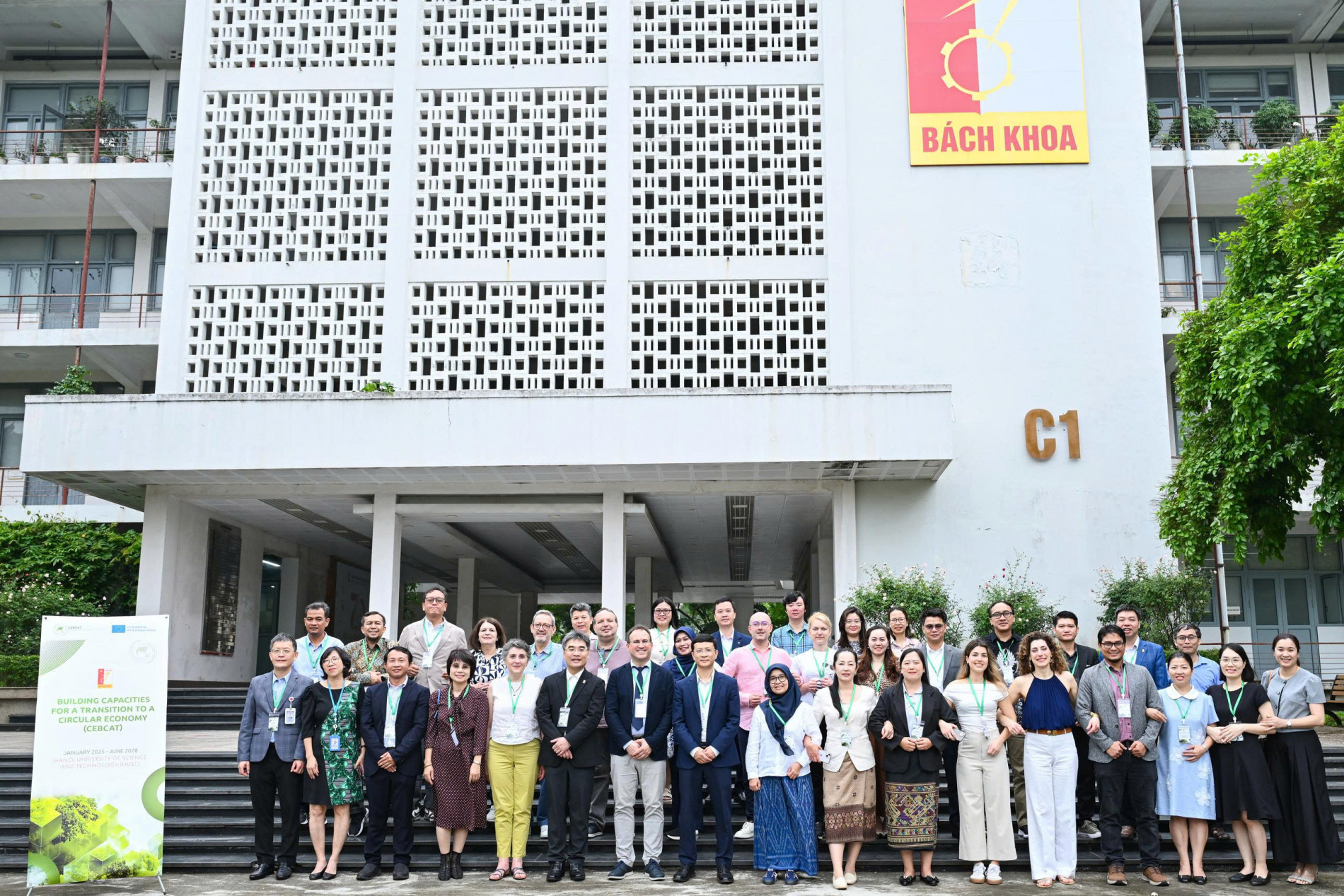
Notably, CEBCAT also fosters extensive international cooperation among 11 universities and educational institutions from Europe and Asia. Among them, Hanoi University of Science and Technology, along with several regional institutions, plays a significant role in adopting, implementing, and disseminating the project’s values.
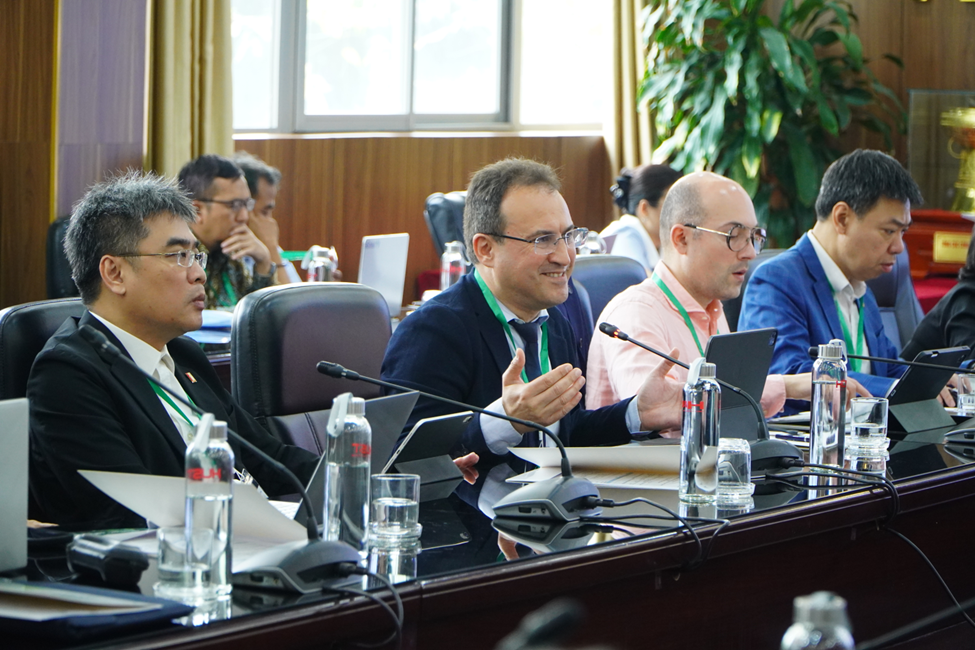
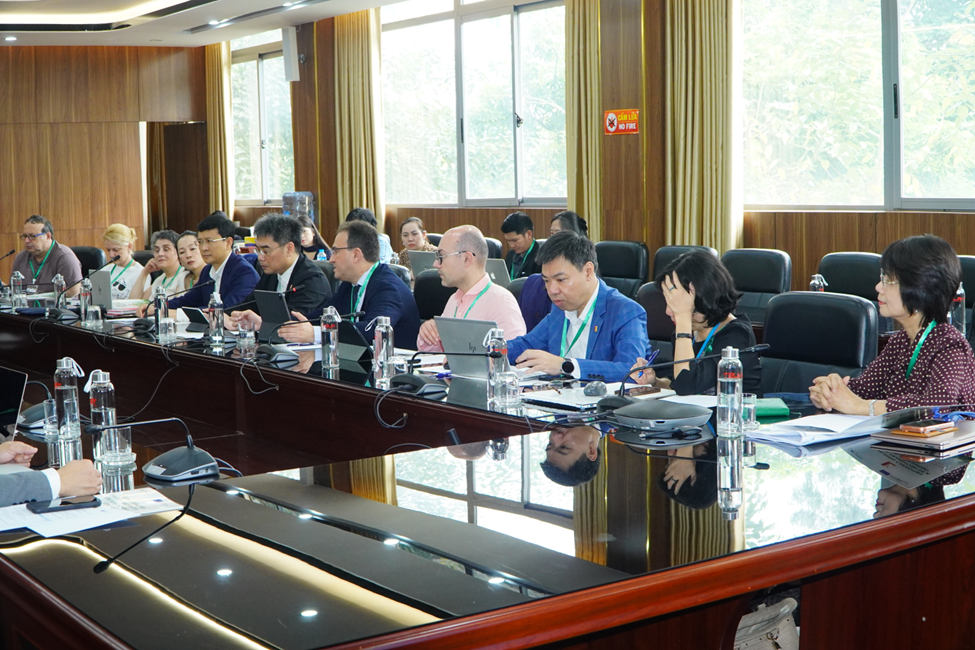
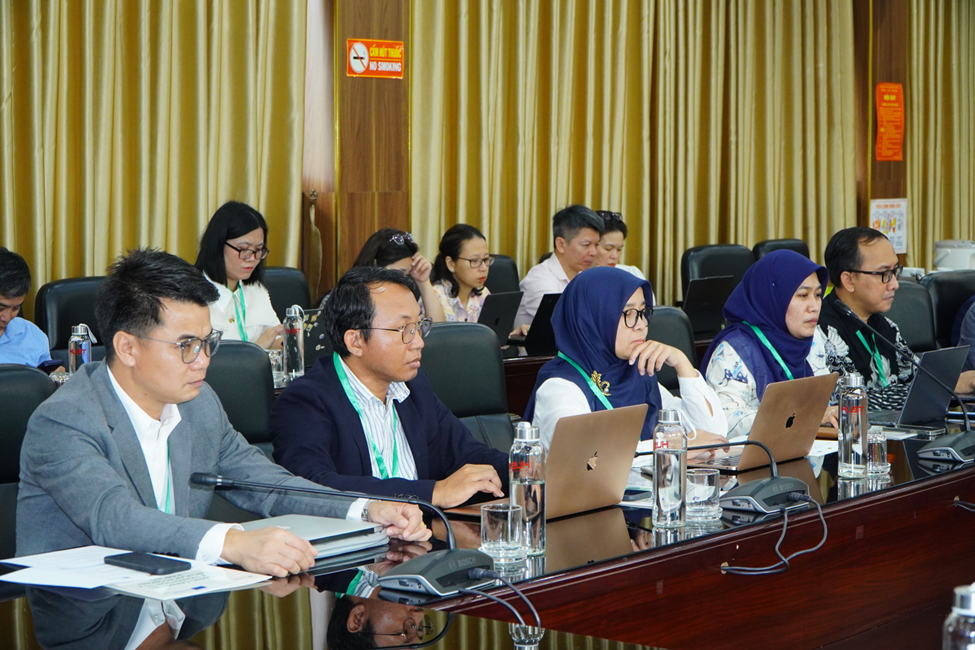
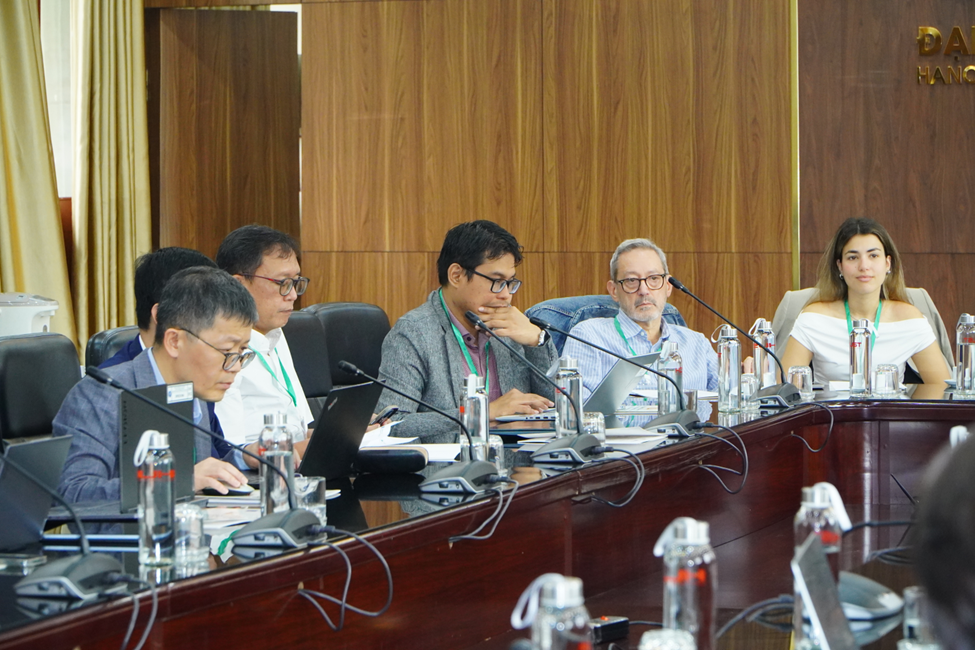
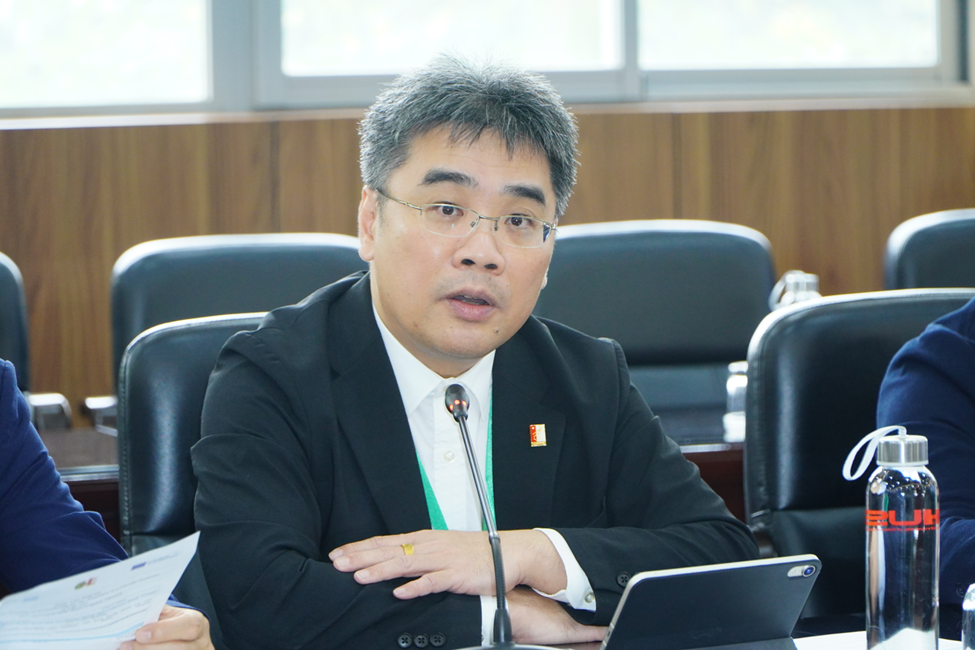
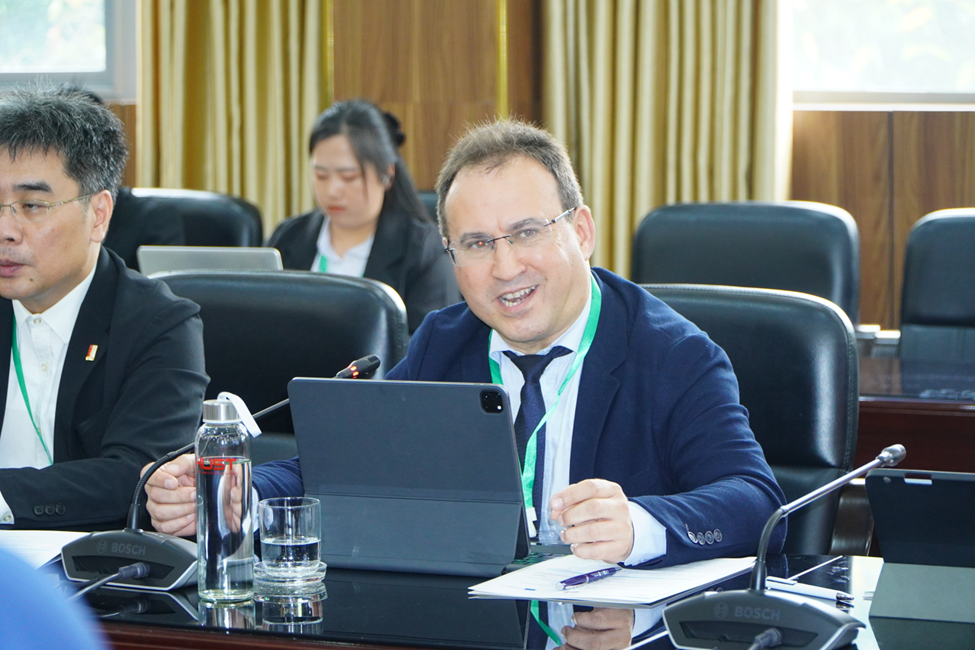
During the working sessions held in Hanoi from April 20 to 24, 2026, project partners conducted a comprehensive review of implementation progress. Reports indicate that the project is on track, with key milestones achieved on schedule. At the same time, a spirit of openness and constructive engagement was emphasized, as partners identified areas for improvement, including increasing participation in training programs, strengthening evidence of research infrastructure, and enhancing communication and student recruitment efforts.
The partners jointly reviewed the progress made and reached a shared conclusion: the project is on the right track, with its milestones and deliverables completed on schedule.
In particular, the rollout of master’s programs in circular economy is being actively advanced. Vietnam and Indonesia are expected to launch their programs in September 2026, while Laos is scheduled to follow in 2027. This marks a concrete step, reflecting a strong commitment to translating policy into action and awareness into tangible outcomes.
It is evident that CEBCAT is not merely a cooperative project but a vivid testament to international solidarity in addressing shared global challenges. While the path toward a circular economy remains complex, with determination, intellect, and unity, there is every reason to believe in a future where economic development and environmental sustainability go hand in hand.
CEBCAT will not merely remain a project—it is set to become a model of exemplary cooperation, helping turn the concept of a circular economy into reality.
Vietnam’s active participation in CEBCAT also affirms its role and responsibility within the international community. This is not only an obligation but also an opportunity to advance, innovate, and achieve sustainable development. The path is clear; what remains is the resolve to see it through to the end.