Trường Hóa và Khoa học sự sốnghttps://scls.hust.edu.vn/uploads/scls/logo-dhbk-1-02_130_191.png
Wednesday - 07/10/2026 15:15
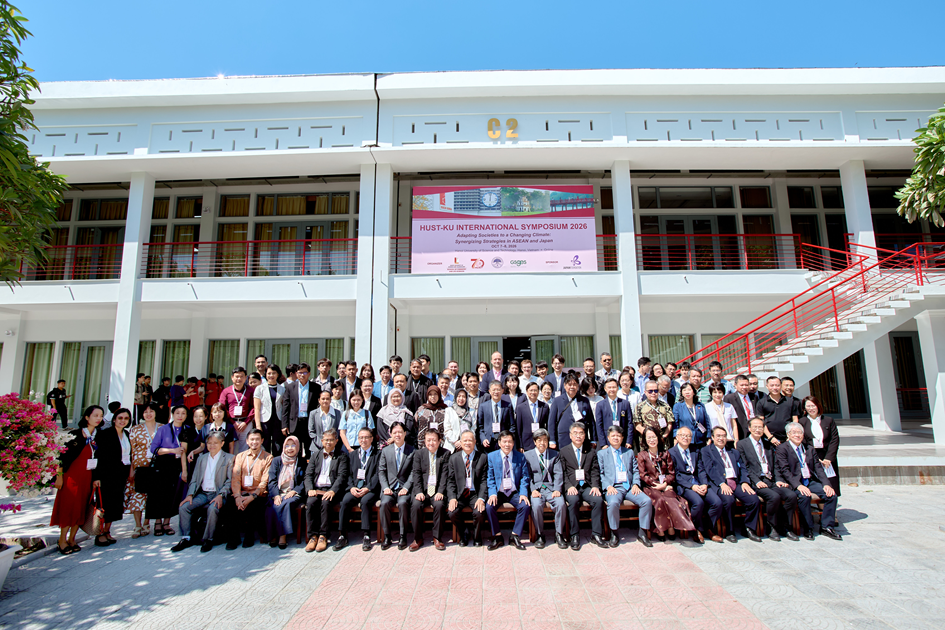
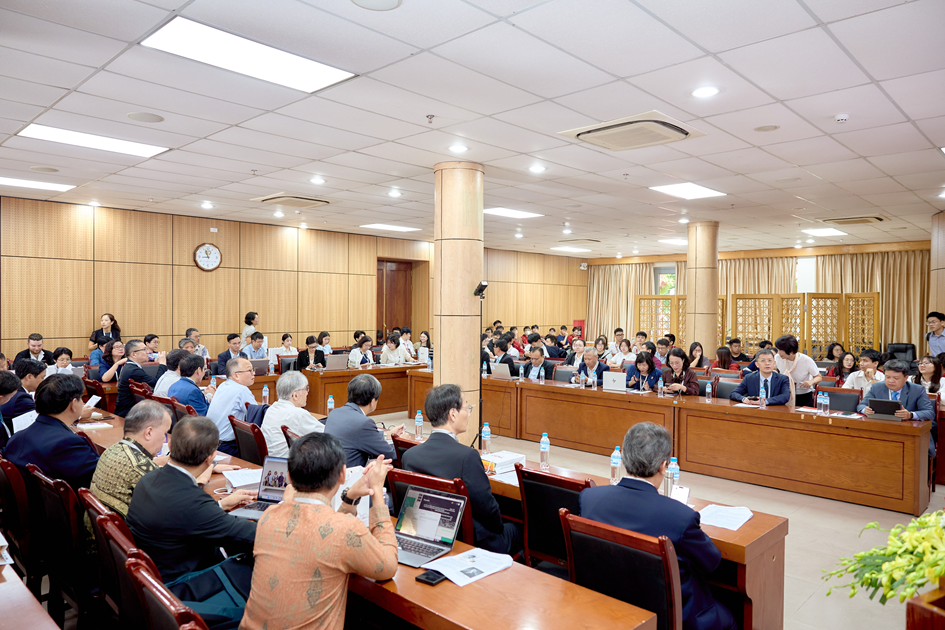
On October 7, 2026, the HUST–KU International Symposium 2026, themed “Adapting Societies to a Changing Climate: Synergizing Strategies in ASEAN and Japan,” was held at the C2 Seminar Room, Hanoi University of Science and Technology (HUST). Bringing together scientists, experts, policymakers, lecturers, students and young researchers from Vietnam, Japan and ASEAN countries, the symposium provided a platform for interdisciplinary and international dialogue, with a strong focus on turning knowledge and research into practical solutions for climate adaptation.
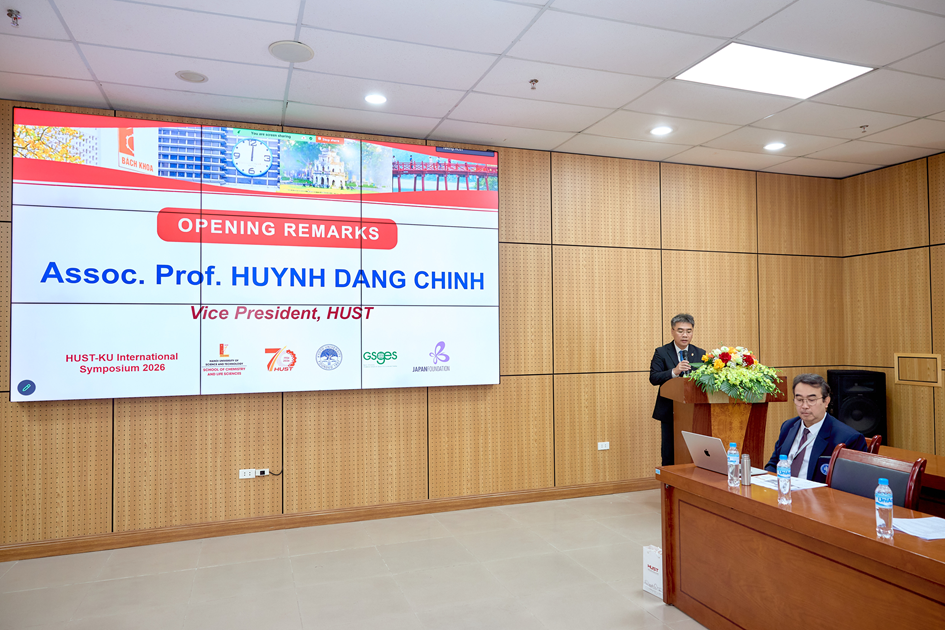
From HUST–Kyoto cooperation to a wider ASEAN–Japan partnership Opening the symposium, HUST Vice President Huynh Dang Chinh highlighted the long-standing relationship between HUST and Kyoto University, particularly in environmental education and research, which has developed over nearly two decades. The partnership reflects HUST’s broader commitment to international cooperation as an important part of its institutional identity and development. Against the backdrop of HUST’s 70th anniversary, the symposium also underscored the growing urgency of international collaboration in addressing climate change.
HUST Vice President Huynh Dang Chinh
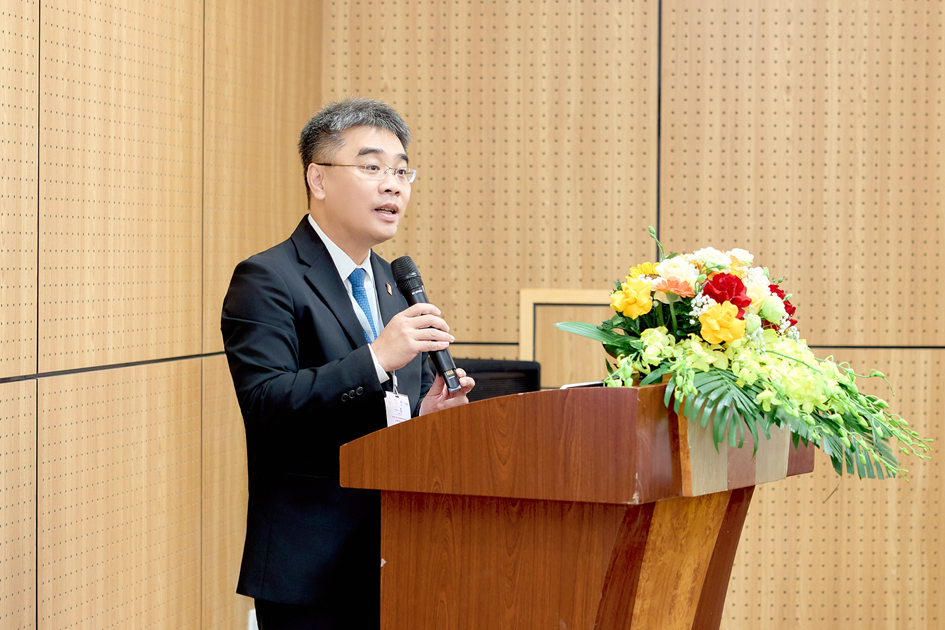
Climate change, Vice President Huynh Dang Chinh noted, is no longer solely an environmental issue. It is simultaneously a technological, economic and social challenge that requires concerted action across disciplines, institutions and countries.
“We need to turn knowledge into joint research, joint research into joint solutions, and joint solutions into real impacts on society.”
He emphasized that no single university, country or discipline can address climate change alone. In this context, the connection between Japan and ASEAN is particularly meaningful, as different strengths, experiences and challenges can create a “practical laboratory” for developing, testing and translating ideas into solutions for climate adaptation.
HUST Vice President Huynh Dang Chinh
The symposium therefore aimed to go beyond knowledge sharing, toward building new research projects, partnerships and practical initiatives for a more sustainable ASEAN and Japan.
Kyoto University: No single discipline, institution or nation can meet the challenge alone
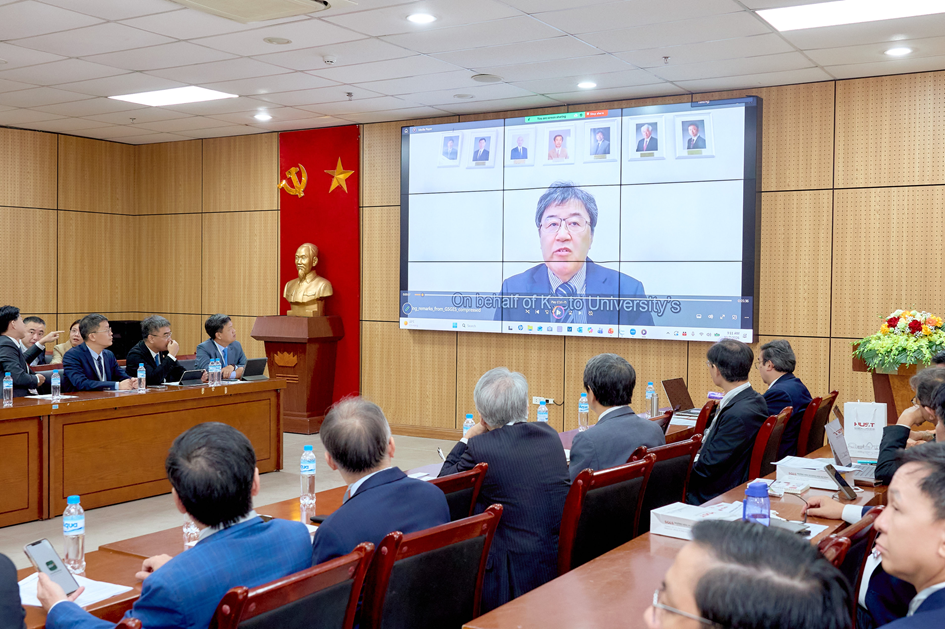
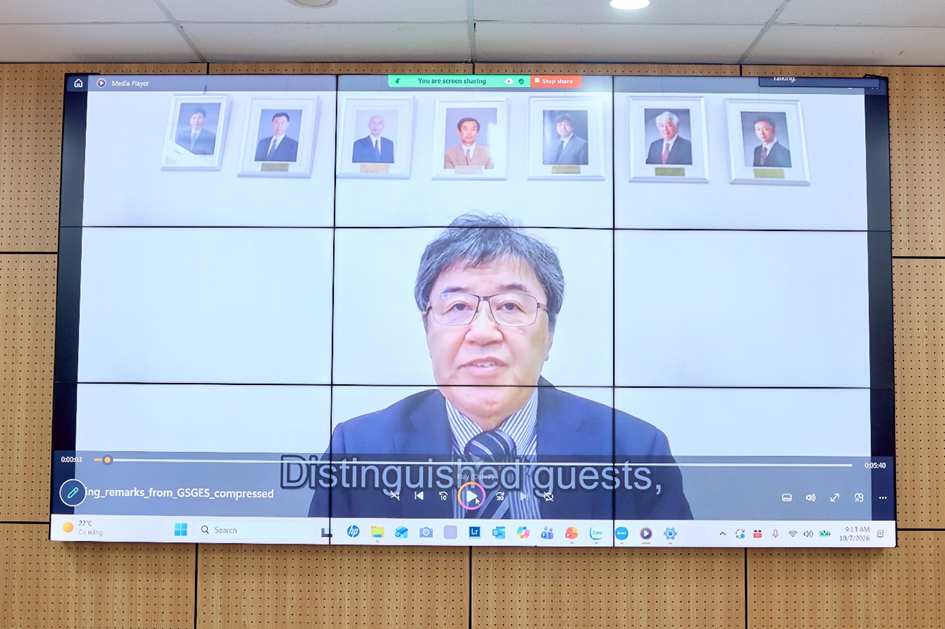
In a video message, Prof. Chihiro Tanaka, Dean of the Graduate School of Global Environmental Studies (GSGES), Kyoto University, expressed her appreciation to HUST for hosting the symposium and emphasized the particular vulnerability of Vietnam to climate change, given its extensive coastline and major river deltas.
Prof. Chihiro Tanaka
Rising sea levels, storms and flooding are placing increasing pressure on communities and livelihoods. Yet, as Prof. Tanaka stressed, the scale and complexity of the challenge extend far beyond any single field of expertise.
“No single discipline, institution, or nation can meet this challenge alone.” Effective climate action requires interdisciplinary and international collaboration involving engineering, agriculture, social sciences and other areas of knowledge. Against this backdrop, the partnership between HUST, Kyoto University and partner institutions across Southeast Asia is developing into a community built on trust, knowledge and expertise. The International Research Projects of GSGES have entered a second phase, connecting partner institutions across five broad areas: environmental science and ecosystems; sustainability technology and innovation; socioeconomics; policy and education; and livelihoods.
Prof. Tanaka also highlighted Kyoto University’s selection in July 2026 for designation as a “University for International Research Excellence” by the Japanese government, reflecting the university’s continuing international orientation.
Prof. Chihiro Tanaka
Young researchers and students, she emphasized, are essential to this process. The symposium was therefore designed not only to share research findings, but also to forge new partnerships, identify emerging challenges and develop actionable climate adaptation strategies for Asia.
The Japan Foundation: Creating knowledge together across borders and disciplines
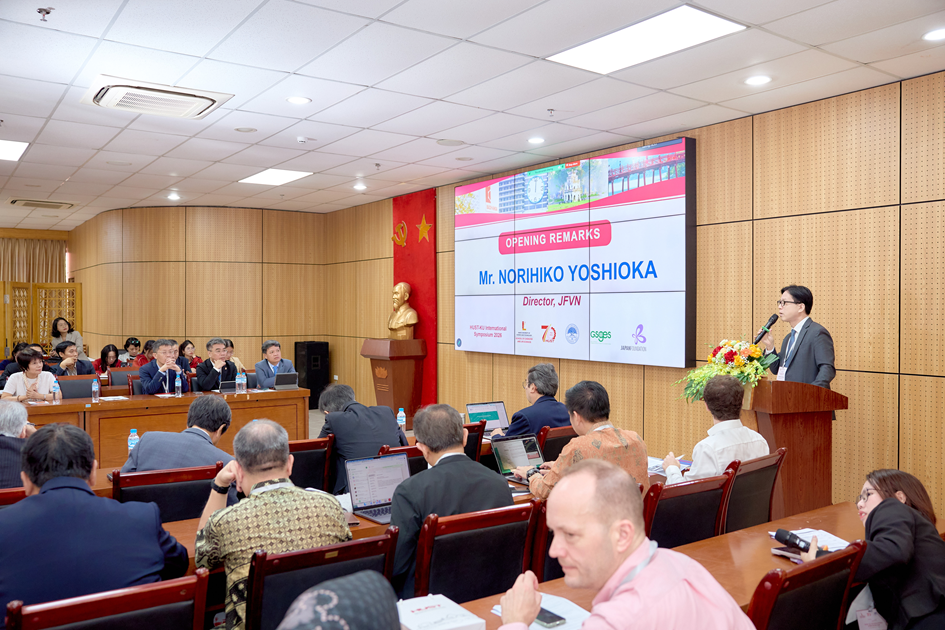
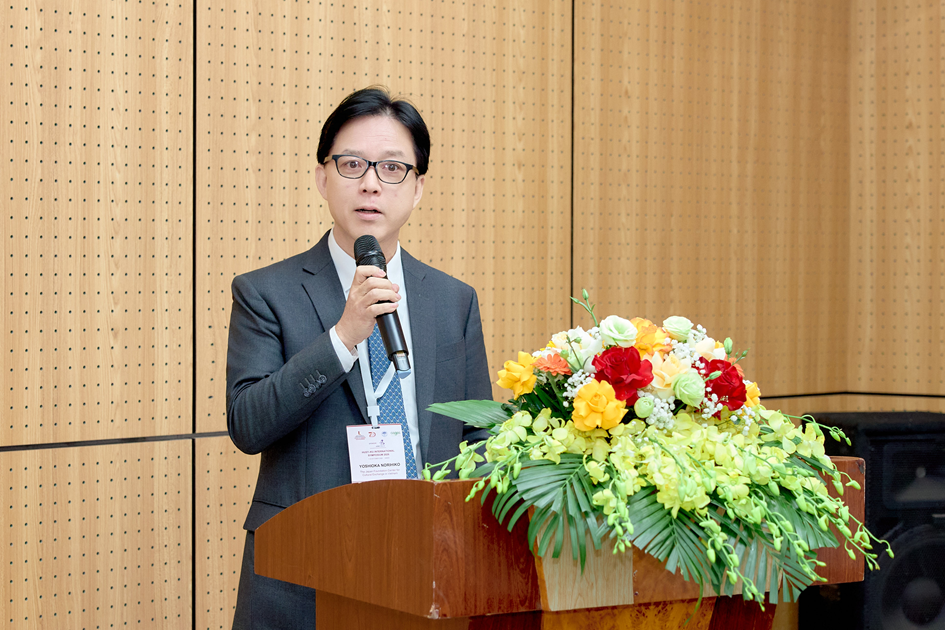
The regional and interdisciplinary dimension of the symposium was further reinforced by Mr. Norihiko Yoshioka, Director of the Japan Foundation Center for Cultural Exchange in Vietnam.
Mr. Norihiko Yoshioka presented at the Symposium.
The symposium was supported by a Grant Program for Japan–ASEAN Global Partnership of The Japan Foundation, which promotes collaborative activities between Japan and ASEAN in addressing global issues, while strengthening multilayered networks, mutual trust and the development of the next generation of intellectual leaders.
Mr. Yoshioka emphasized that climate change should not be viewed simply as an environmental problem. Its impacts extend across food and water security, cities, technology, economies, public policy, education and communities. This makes interdisciplinary dialogue an essential condition for meaningful solutions.
Mr. Norihiko Yoshioka
The HUST–Kyoto relationship, he noted, has been built not only through institutional cooperation but also through human connections and trust. The symposium represents an opportunity to expand that foundation into a broader regional network.
“For The Japan Foundation, this is precisely the kind of intellectual exchange we hope to support: not simply the transfer of knowledge, but the creation of knowledge together across borders and disciplines.”
Through this approach, academic cooperation becomes a mechanism not only for sharing expertise but also for generating new ideas and strengthening long-term partnerships between Japan and Southeast Asia.
Policies must be closely connected with science, technology and practice
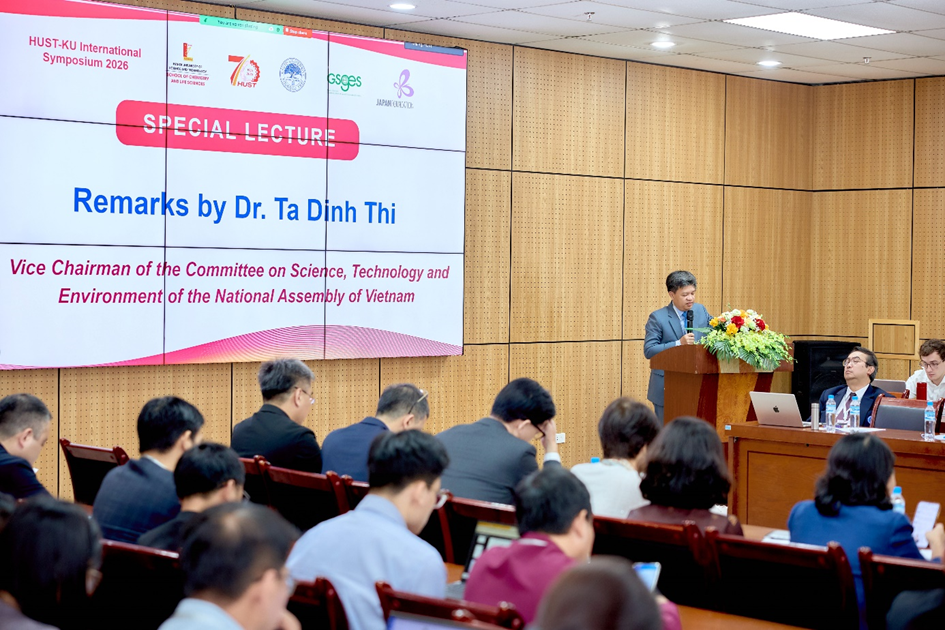
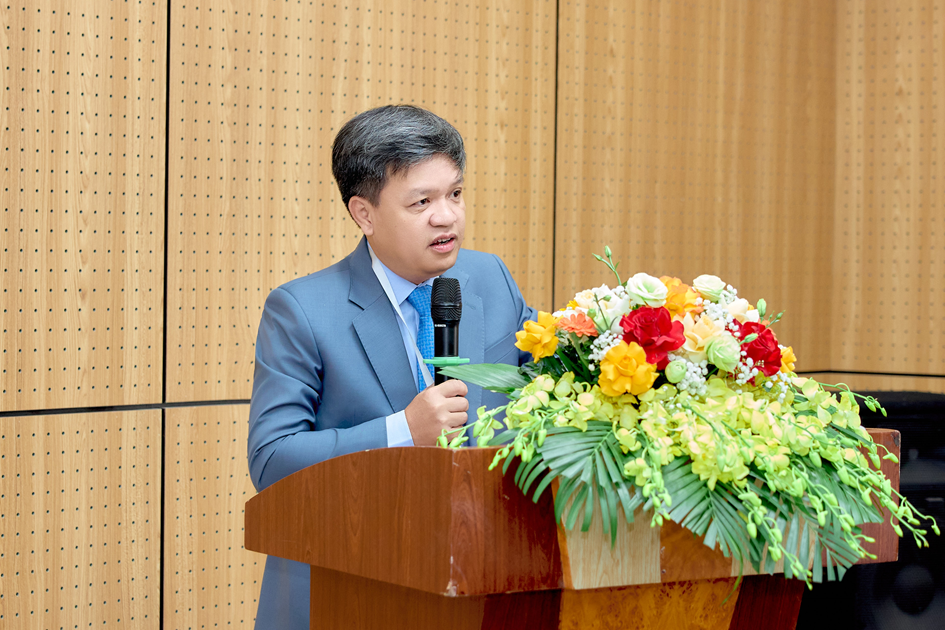
A highlight of the symposium was the special lecture delivered by Dr. Ta Dinh Thi, Vice Chairman of the National Assembly Committee on Science, Technology and Environment, focusing on Vietnam’s policies for building a climate-resilient society, promoting a circular economy and achieving Net Zero.
Dr. Ta Dinh Thi presented at the Symposium.
Dr. Ta Dinh Thi described climate change as a global and comprehensive challenge, affecting water and energy security as well as livelihoods. Vietnam is particularly vulnerable, with the Mekong Delta facing salinity intrusion, land subsidence and erosion; mountainous areas in the North and the central coastal region exposed to storms, floods and landslides; and major urban areas such as Hanoi and Ho Chi Minh City facing flooding, pollution and increasingly extreme weather events.
He stressed the need to shift from passive responses toward proactive risk management and adaptation, while linking climate action closely with sustainable development.
Dr. Ta Dinh Thi
According to Dr. Ta Dinh Thi, adaptation, the circular economy and Net Zero 2050 should be viewed as three cross-cutting pillars in Vietnam’s climate response. International cooperation and collaboration among universities and research institutions are particularly important for strengthening scientific evidence, research, technology transfer, human resources, data sharing and pilot implementation.
“Policies need to be closely connected with science, technology and practice; research results need to be tested, evaluated and transformed into solutions that can be applied in real life.”
He proposed strengthening joint research and development in areas such as climate monitoring, forecasting and early warning systems; waste management and the circular economy; renewable energy, offshore wind and green hydrogen; as well as carbon capture and storage.
Other priorities include developing high-quality human resources through joint training programs and research centers, promoting open and interoperable climate data, and piloting and scaling up adaptation models such as resilient coastal communities and climate-smart cities.
From academic exchange to concrete collaboration The symposium featured a diverse program designed to connect academic discussion with opportunities for future collaboration.
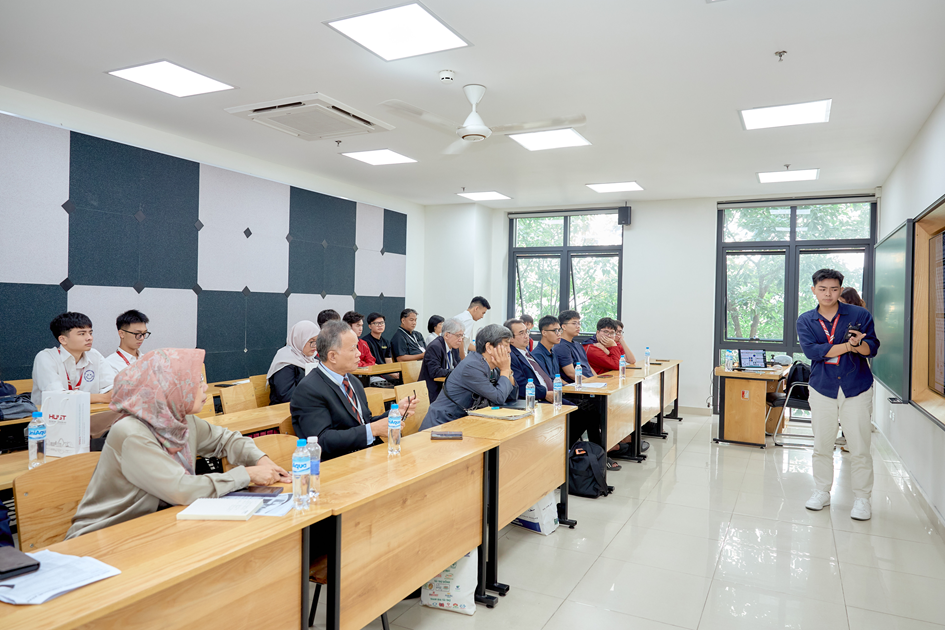
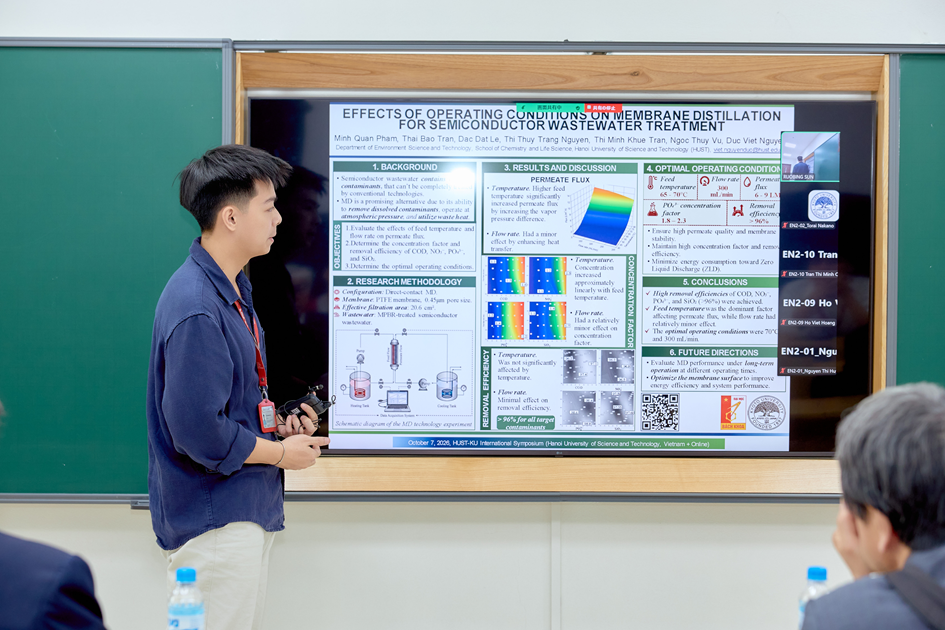
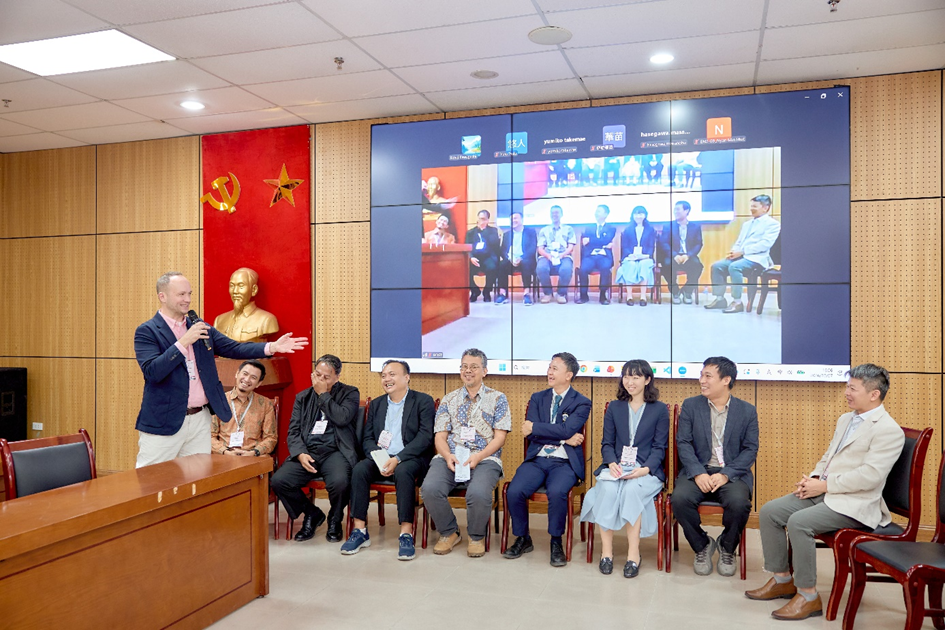
The poster session brought together research on three major thematic areas: Environmental Sciences and Ecosystems; Technologies and Innovations for Sustainability; and Socio-Economics, Policy, Education and Livelihoods. In the afternoon, participants joined a panel discussion and an International Research Project Session, where collaborative projects launched with GSGES partner universities were introduced and discussed. An interactive map also provided participants with a space to share research interests and explore potential areas for collaboration, helping turn individual research interests into opportunities for institutional and cross-border partnerships.
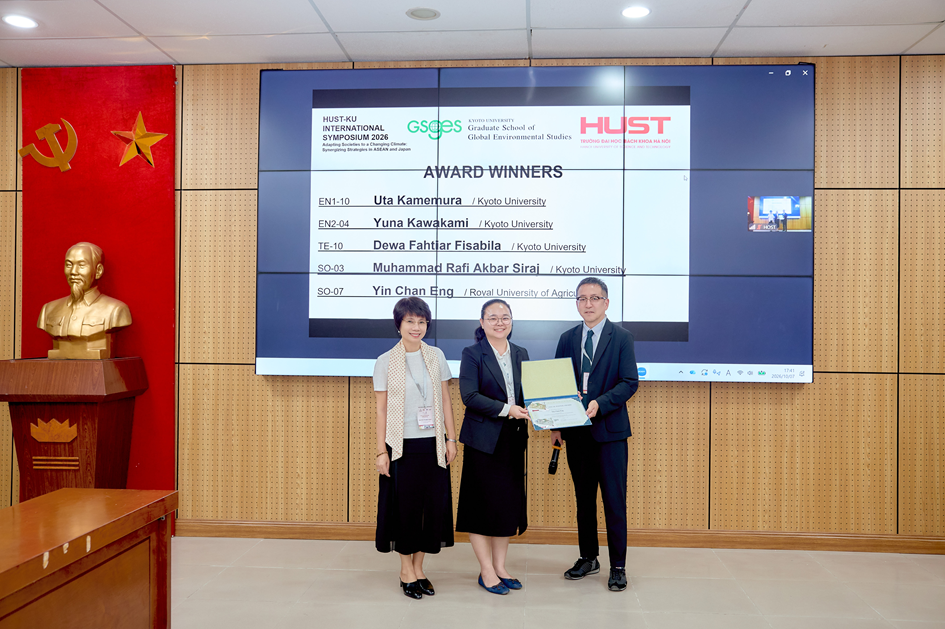
The symposium concluded with the Best Poster Awards and closing remarks by Prof. Shigeo Fujii, Professor Emeritus and former Dean of GSGES, Kyoto University, and Assoc. Prof. Nguyen Thi Anh Tuyet, Vice Dean of the School of Chemistry and Life Sciences, HUST. Building a sustainable future through cooperation The HUST–KU International Symposium 2026 demonstrated the value of connecting universities, researchers, policymakers and international partners around a shared regional challenge. More than a forum for presenting research, the symposium created a space in which knowledge, policy perspectives and practical experience could meet and generate new directions for cooperation.
For HUST and Kyoto University, the event marked another step in a partnership built over nearly two decades. At the regional level, it opened further opportunities to connect Japan with ASEAN partners and to develop collaborative responses to increasingly complex climate challenges.
At the heart of the symposium was a shared ambition: to move from knowledge to joint research, from joint research to joint solutions, and from joint solutions to meaningful impacts on society. In that sense, HUST–KU 2026 not only addressed the challenges posed by a changing climate, but also pointed toward a model of international academic cooperation in which knowledge is jointly created and transformed into action for a more resilient and sustainable future.