Trường Hóa và Khoa học sự sốnghttps://scls.hust.edu.vn/uploads/scls/logo-dhbk-1-02_130_191.png
Tuesday - 27/10/2026 17:56
The School of Chemistry and Life Sciences at Hanoi University of Science and Technology (HUST), in cooperation with BOKU University in Austria and the Vietnam National University of Agriculture, hold the Sustainable Life Sciences Network Workshop 2026 from October 27 to 29. The workshop aims to connect researchers from Vietnam, Europe and Southeast Asia and expand cooperation in research and education for sustainable development.
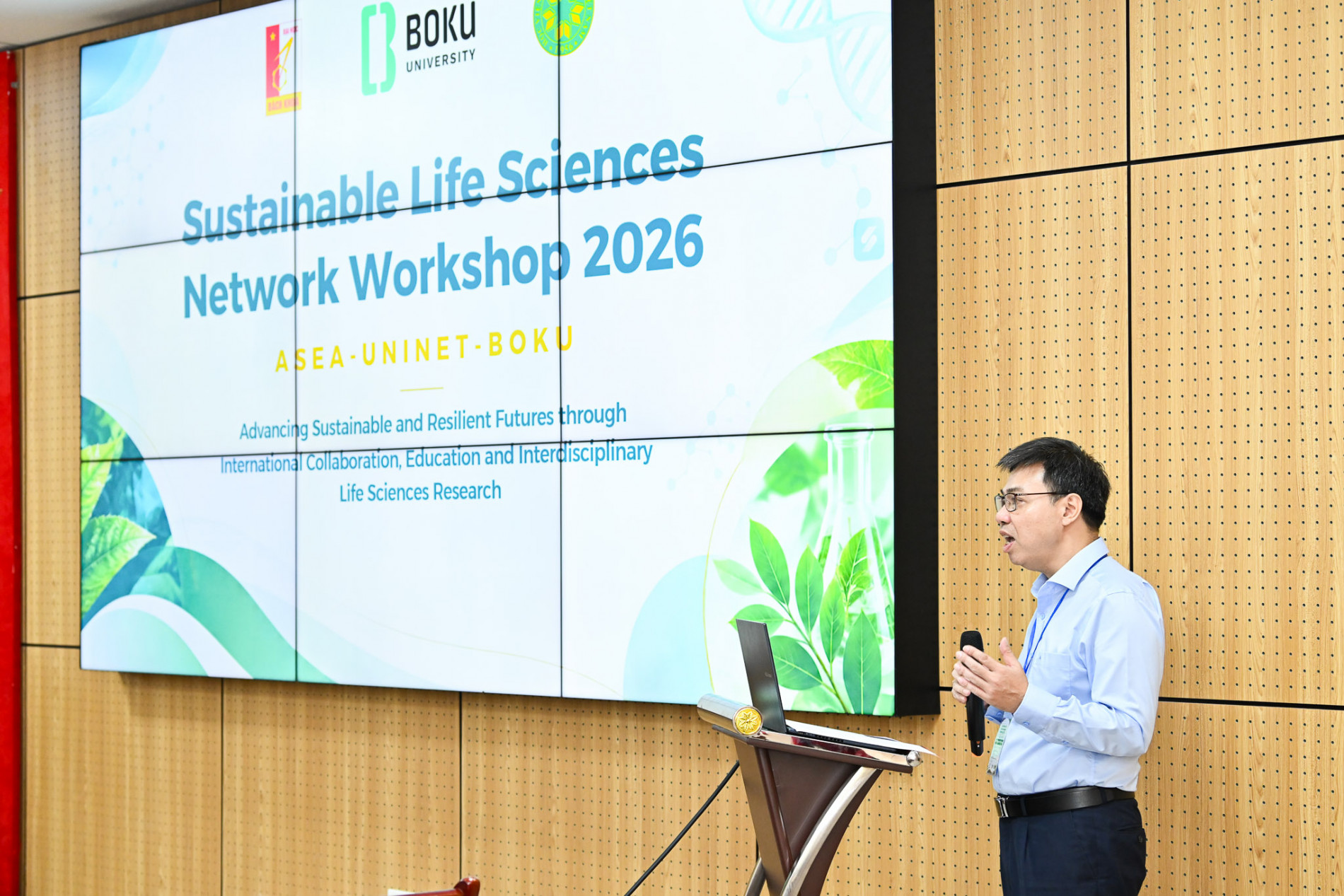
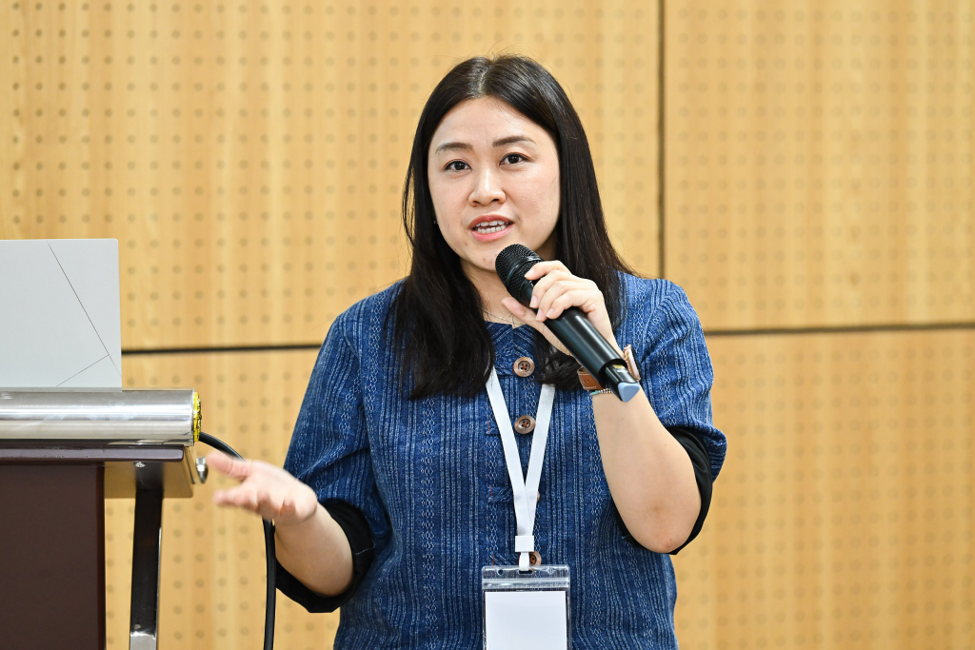
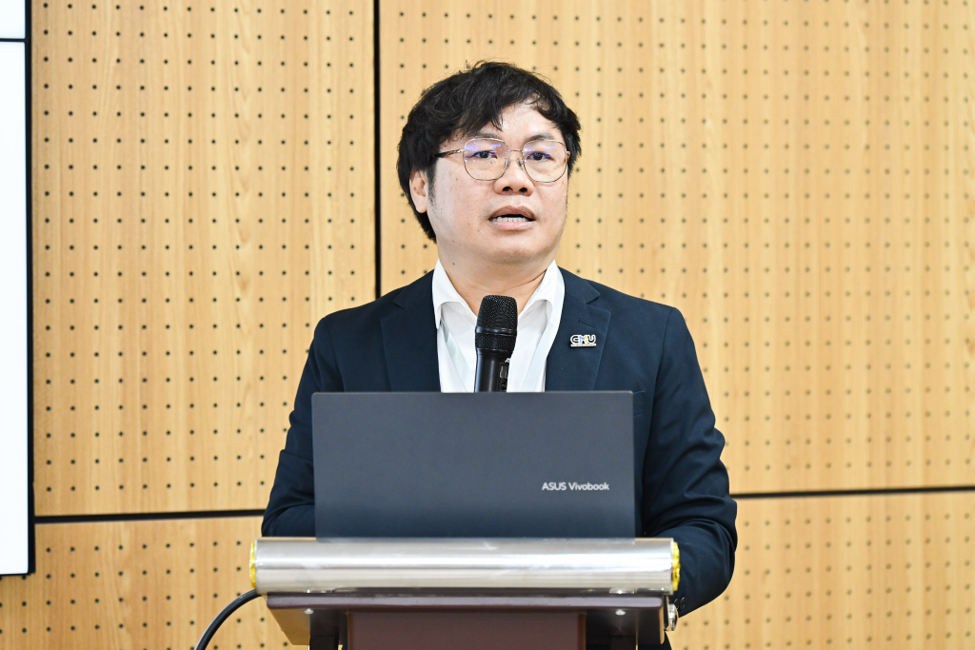
Representatives of HUST gives speech at the workshop.
The workshop brings together participants from universities and research institutions in Vietnam, Austria, Thailand and Indonesia. The first two days are scheduled to take place at HUST, followed by a third day at the Vietnam National University of Agriculture.
The workshop builds on a memorandum of understanding between HUST and BOKU University. The two institutions are cooperating in education, scientific research and exchanges of staff, lecturers and students. The programme extends these connections to partners in the ASEA-UNINET network, providing a forum for participants to explore one another’s expertise and identify opportunities for cooperation.
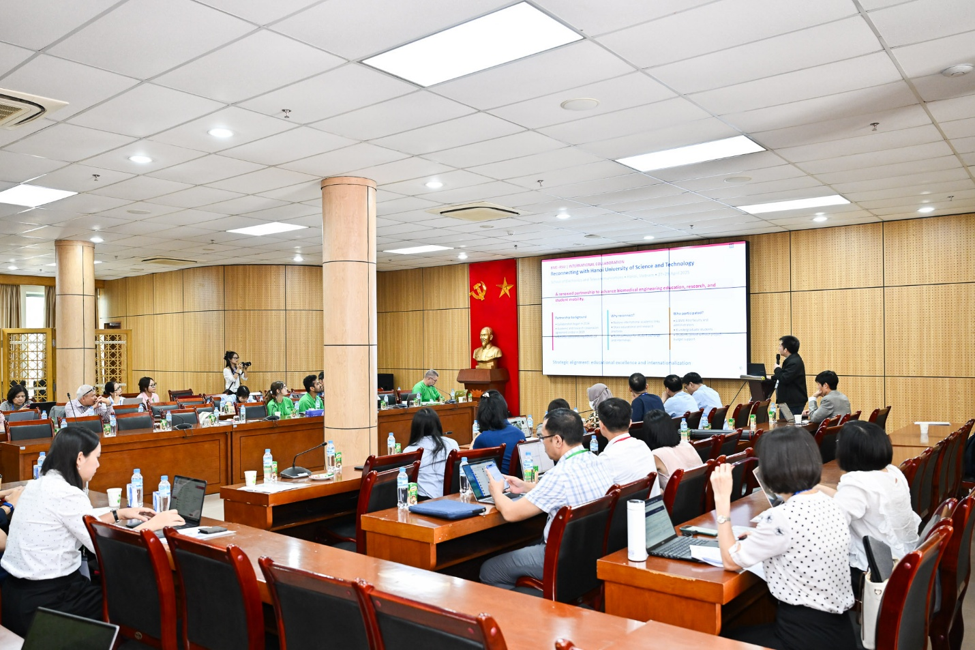
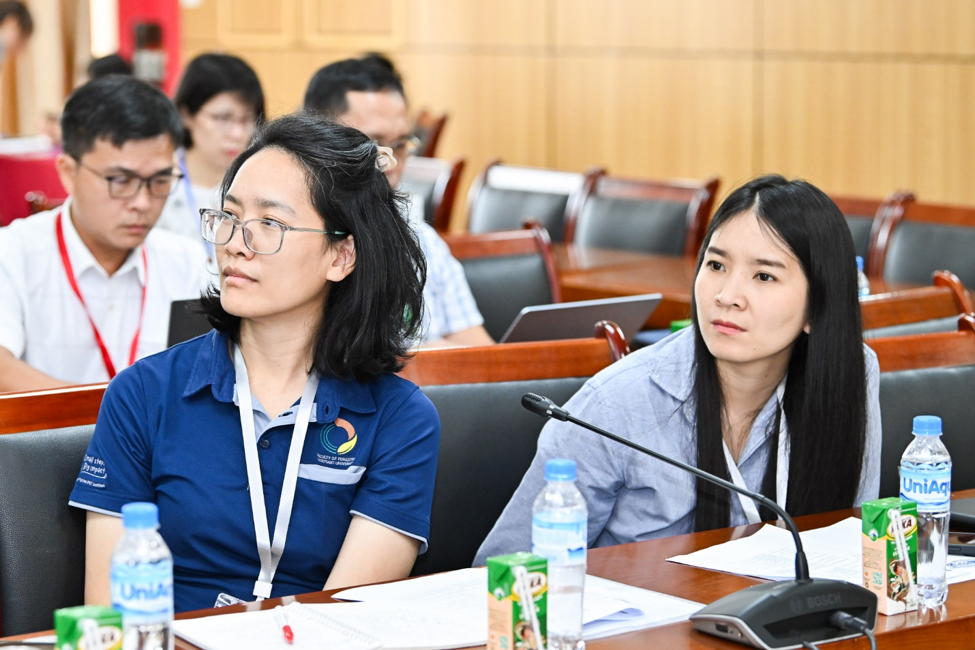
Overview of the workshop.
An interdisciplinary approach to sustainable development
Efficient land use, sustainable food systems, biodiversity conservation and ecosystem restoration are closely connected challenges. Addressing them requires cooperation across scientific disciplines and the sharing of methods, data and research infrastructure.
The workshop is expected to focus on sustainable land use and food systems; biodiversity, ecosystem restoration and climate resilience; and biotechnology and innovative research methods.
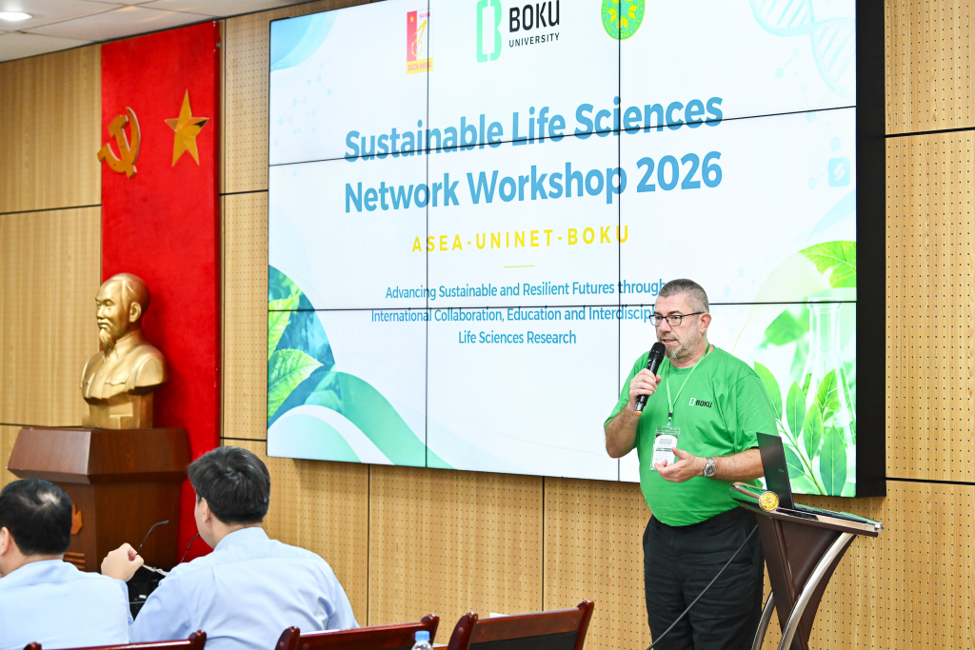
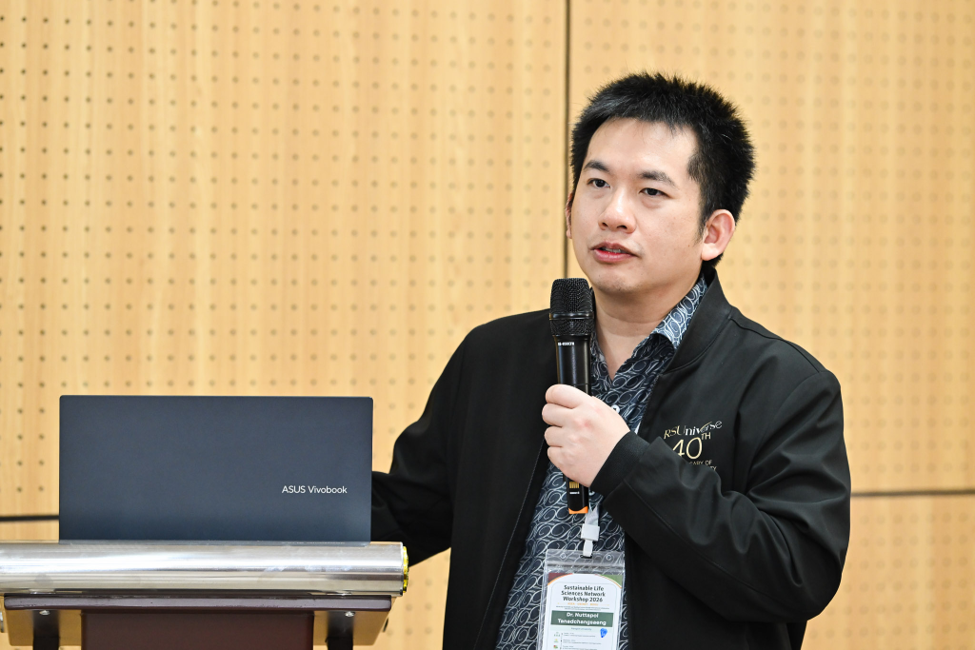
Prof. Clemens Peterbauer BOKU University, Austria
Through institutional presentations, poster sessions and thematic discussions, researchers will exchange ideas on research directions, methods, technologies and available facilities. The programme also provides time for participants to identify complementary strengths and areas for further discussion after the workshop.
Education and capacity building are also on the agenda. Participants are expected to explore opportunities for staff, lecturer and student exchanges, international education programmes and funding sources for future cooperation.
Building a foundation for long-term cooperation
As the lead HUST unit for the workshop, the School of Chemistry and Life Sciences will help connect Vietnamese research groups with international partners while presenting its areas of expertise and research facilities.
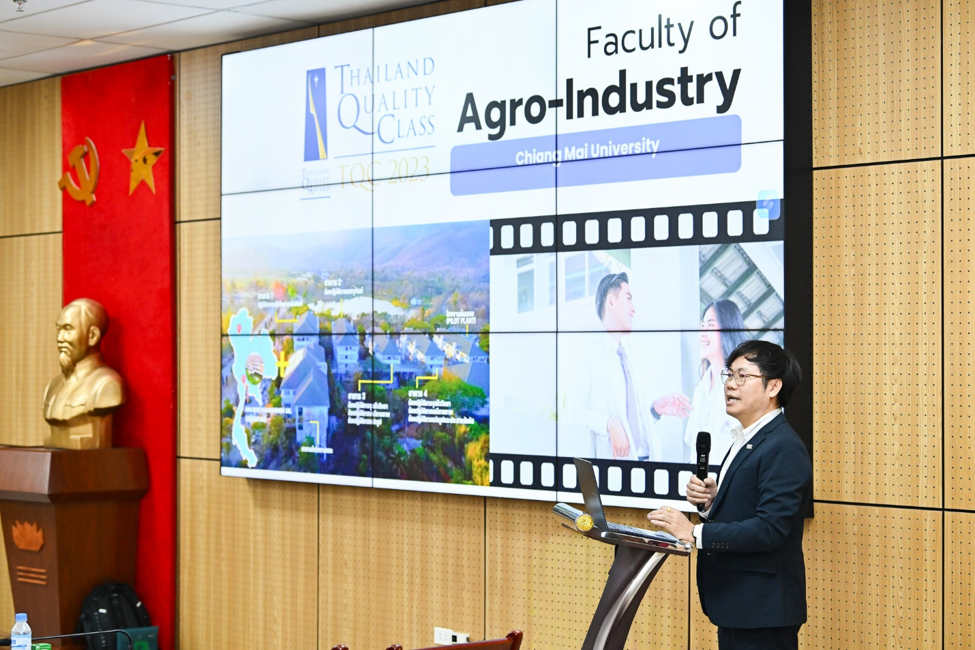
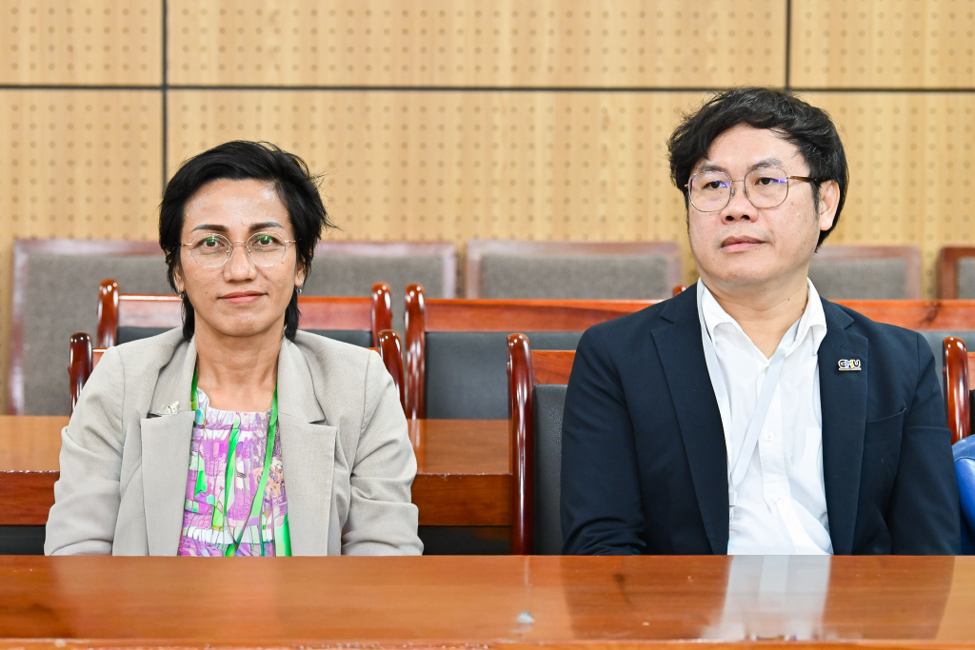
Dr. Kawiporn Chinachanta Chiang Mai University,Thailand
The proposed programme includes visits to the School’s laboratories, the library and the Factory Design area at HUST. At the Vietnam National University of Agriculture, participants are expected to visit food technology and biotechnology laboratories, an experimental farm and other research facilities.
Direct exchanges at the institutions will give participants a better understanding of their partners’ expertise, methods and infrastructure. This can help them identify areas of cooperation suited to each institution’s needs and strengths.
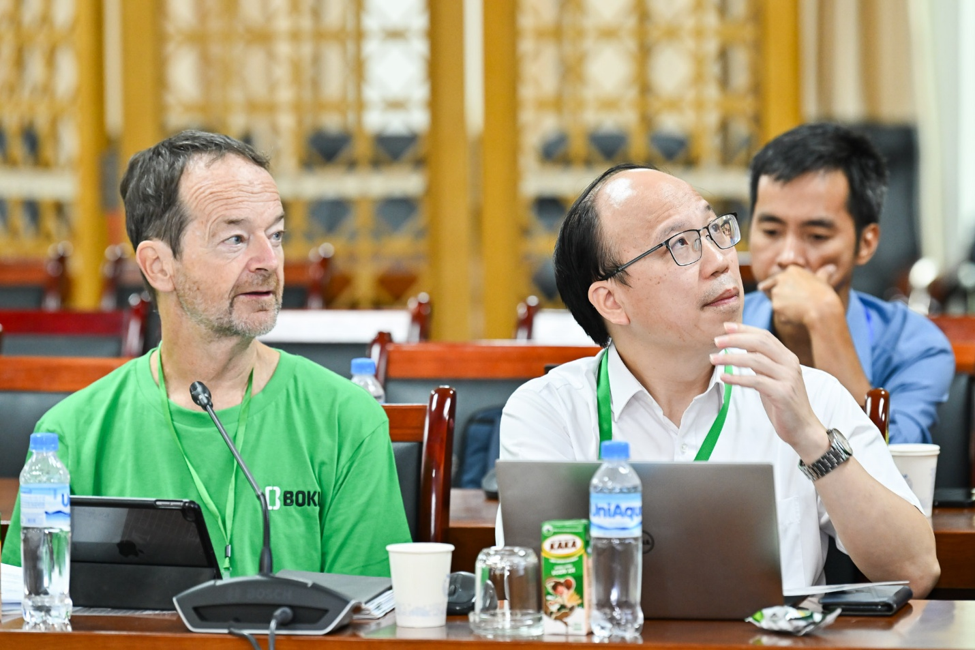
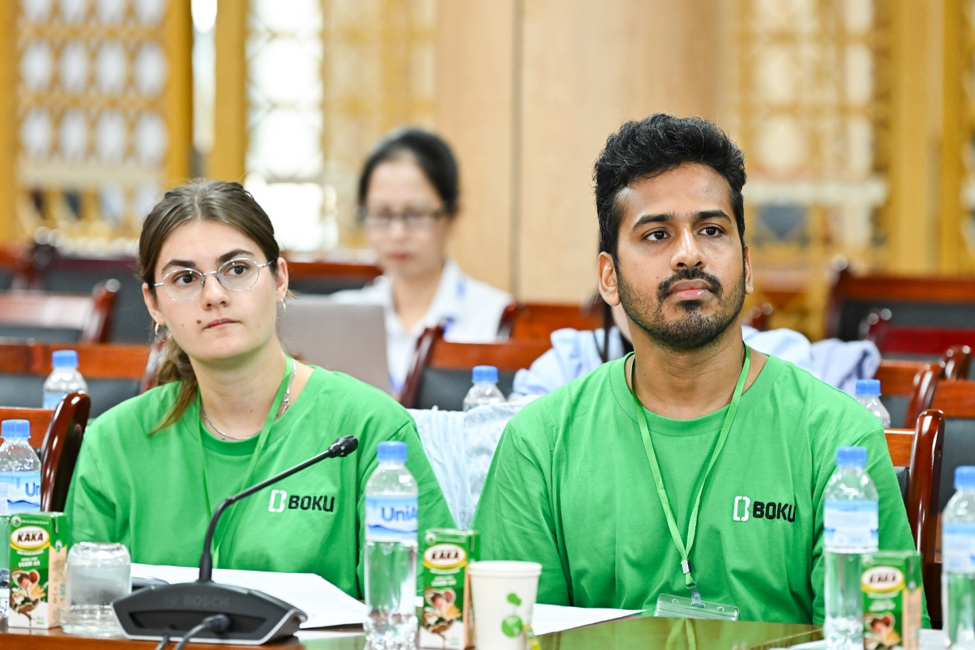
Representatives from BOKU University and VNUA
The workshop is expected to strengthen HUST’s relationships with BOKU University and the Vietnam National University of Agriculture, while expanding dialogue with research institutions in the ASEA-UNINET network. For the School of Chemistry and Life Sciences, its role in connecting partners and contributing to academic exchange is an opportunity to strengthen its presence in the international research community and develop sustained interdisciplinary cooperation.