When a Global Enterprise “Enters the Classroom”: A Lesson Bigger Than a Guest Talk
- Sunday - 05/04/2026 11:11
- Close page
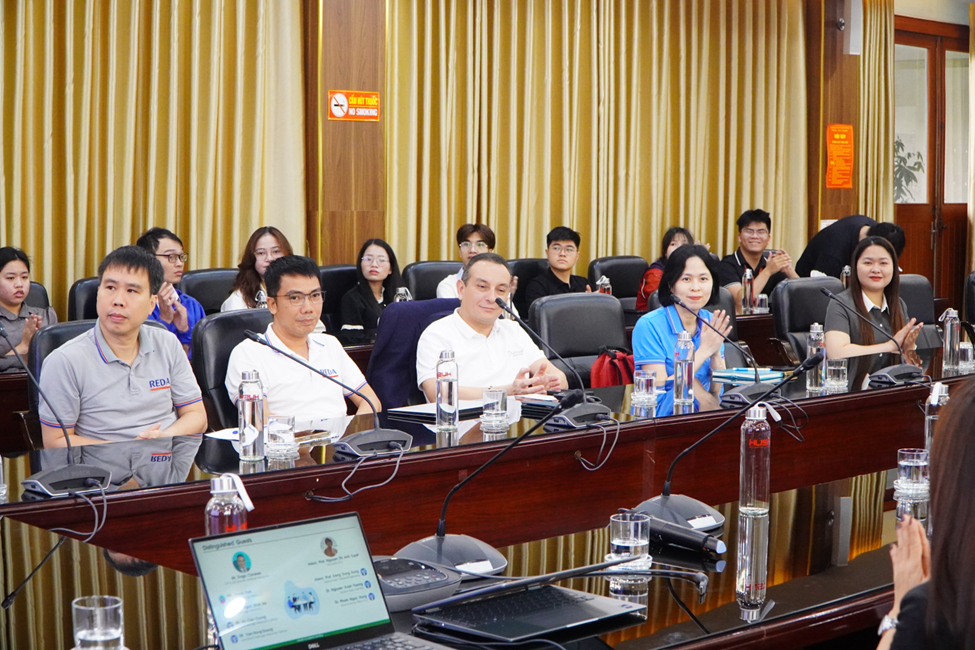
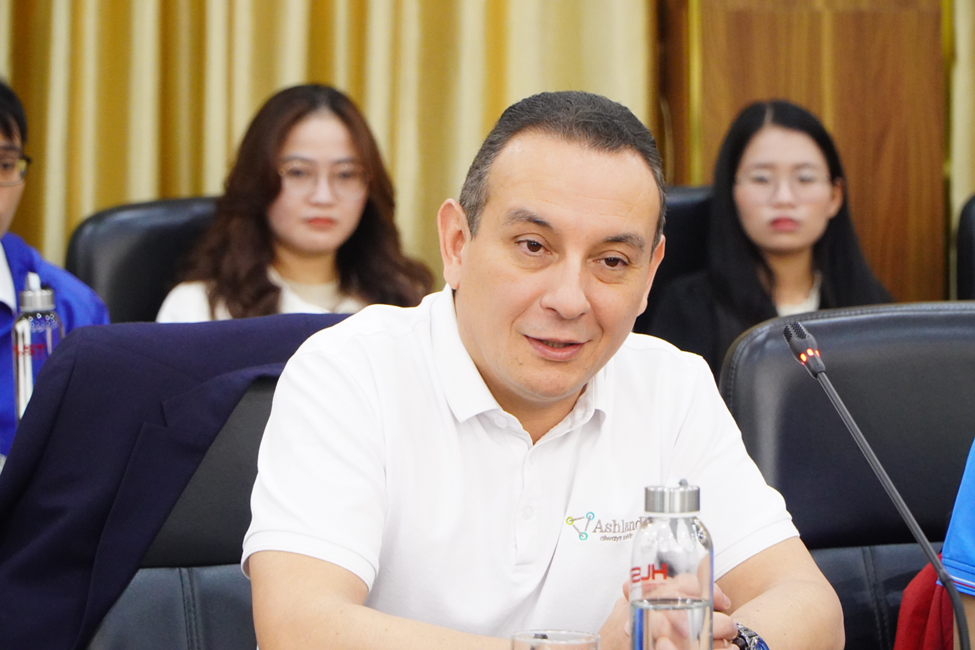
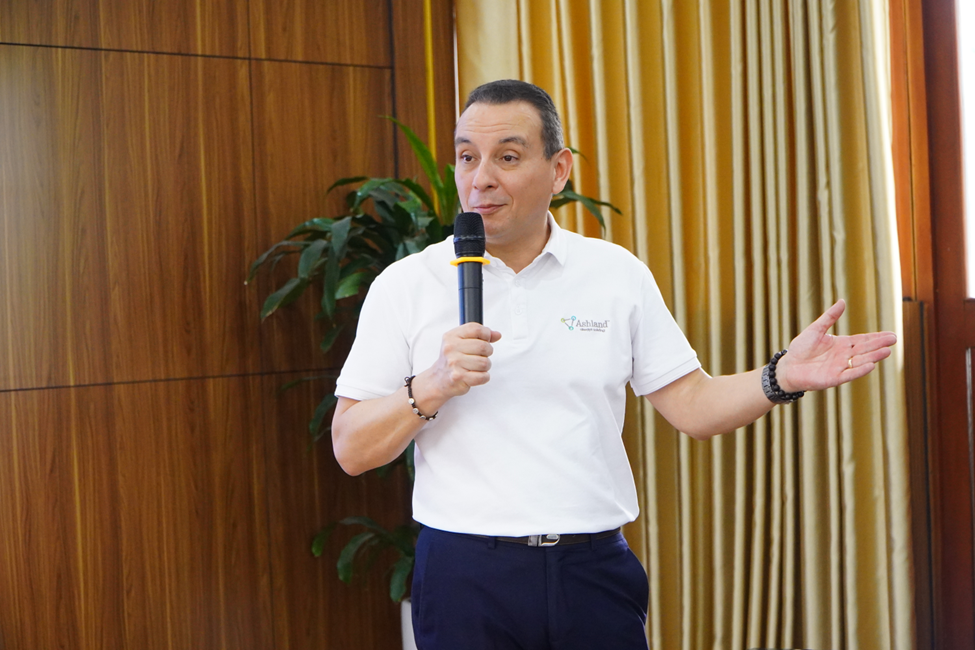
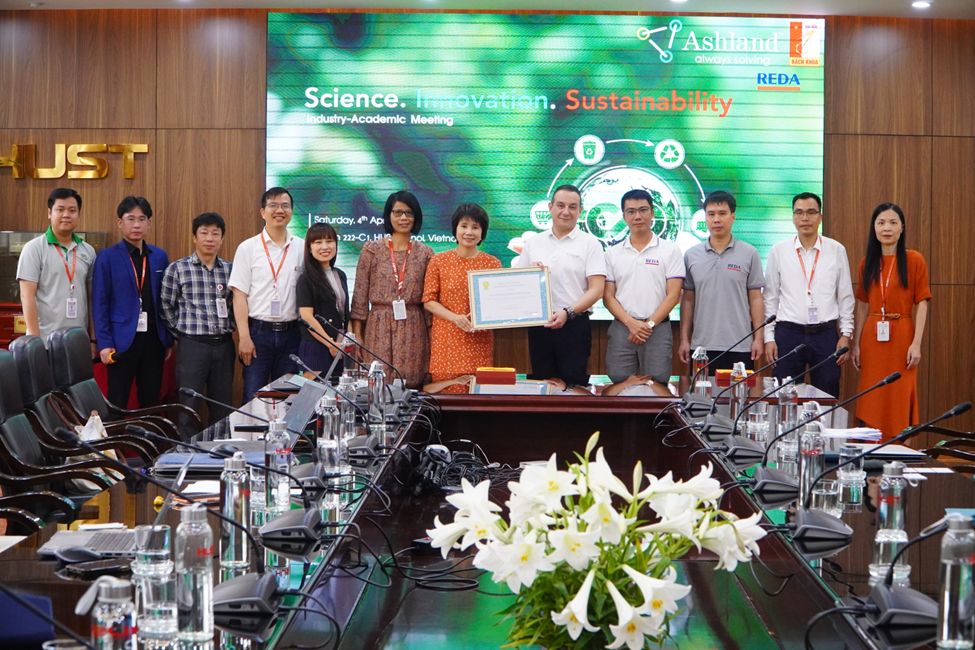
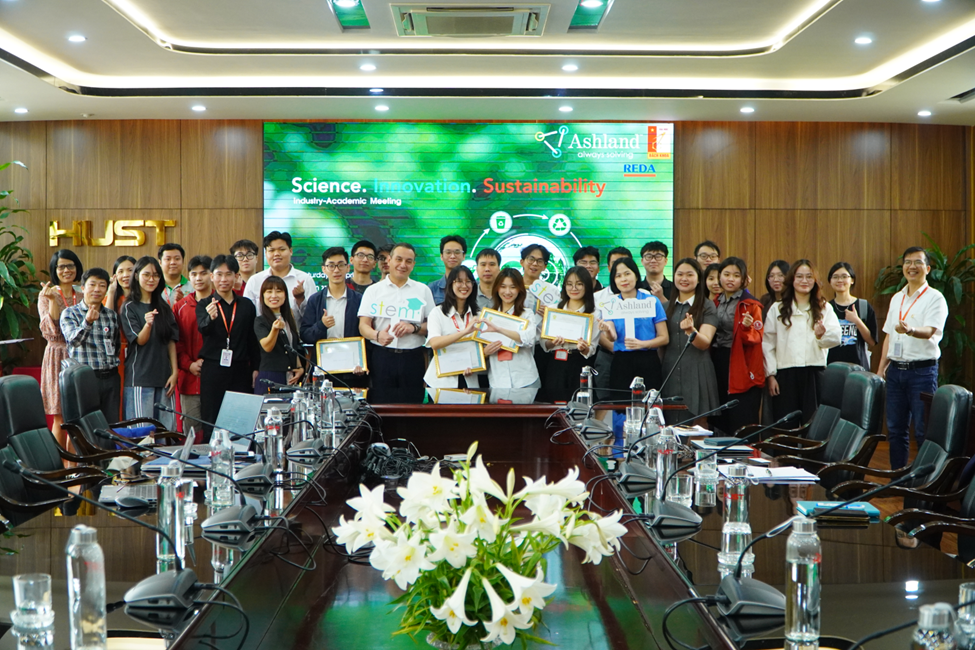
On the morning of April 4, in room C1-222, the School of Chemistry and Life Sciences at Hanoi University of Science and Technology welcomed a special guest: Mr. Dago Caceres, Senior Vice President and General Manager of Specialty Additives at Ashland – one of the world’s leading companies in specialty materials and chemicals.
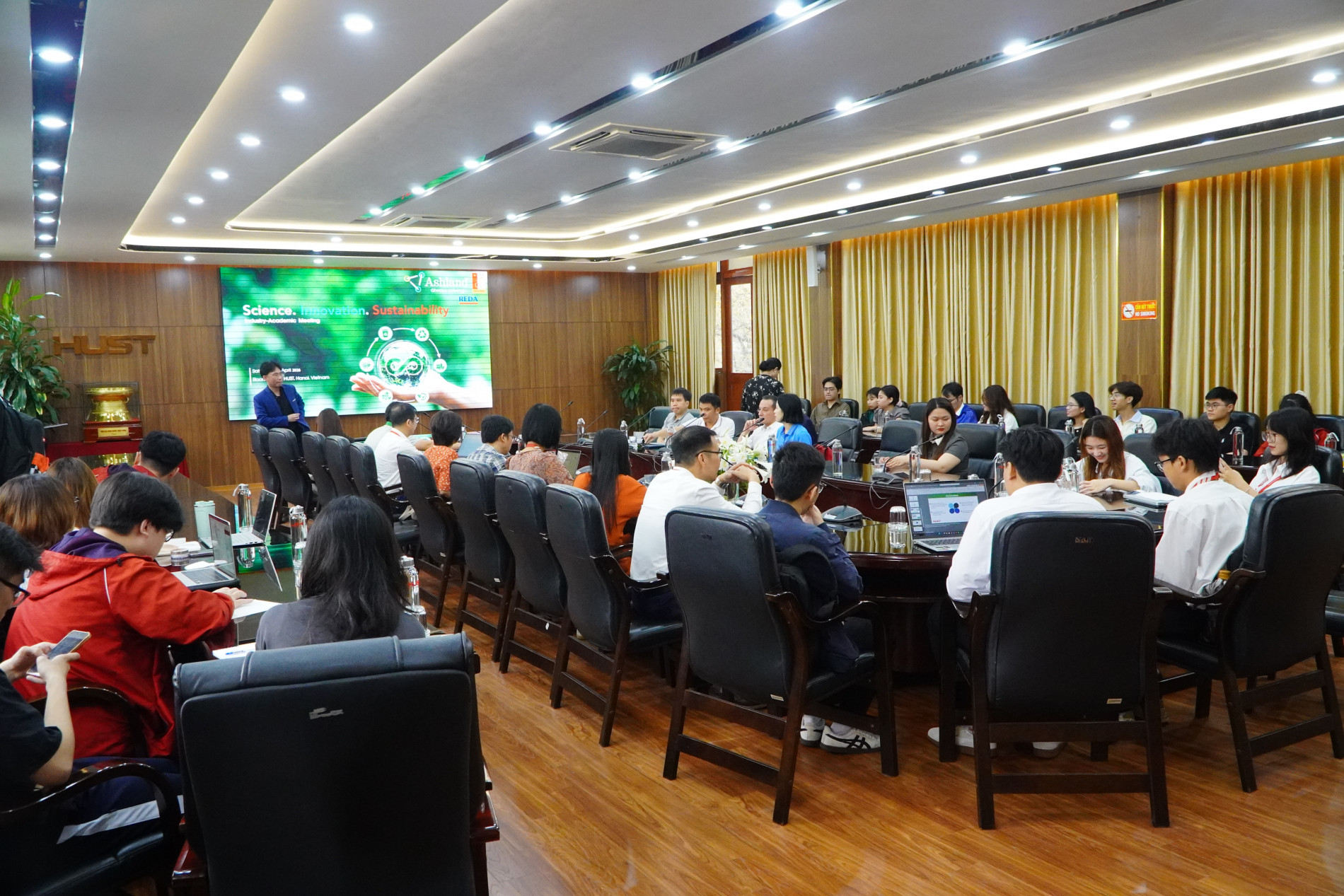
However, viewing this simply as a guest lecture would be an understatement. The event reflects a broader trend: businesses are entering lecture halls not only to recruit, but to “reshape how education is delivered.”
From “Part of the Problem” to “Solver of Global Challenges”
One of the most notable messages from Mr. Dago’s presentation was the shifting role of the chemical industry.
In the past, chemistry was often seen as “part of the problem” – associated with pollution, emissions, and resource depletion. Today, however, the industry is transforming into “part of the solution.”
This is not just a slogan. It represents a structural shift across global industries: from growth driven by output to growth driven by value, technology, and sustainability.
Ashland, the company Mr. Dago represents, is a prime example. Once an oil refining company, it has transformed into a specialty chemicals business focused on core technologies, innovation, and sustainable development.
This highlights an important reality: the future of chemistry lies not in producing more, but in creating smarter solutions.
ESG Is No Longer Optional – It Is a Condition for Survival
Another key highlight of the talk was Ashland’s holistic approach to sustainability, built on three pillars: raw materials, operations, and solutions.
The company’s targets are not just commitments—they reflect real pressures from the global market:
For students and educational institutions, this raises a critical question: are current curricula keeping pace with the rapid changes in industry?
Bridging the Gap Between Academia and Practice
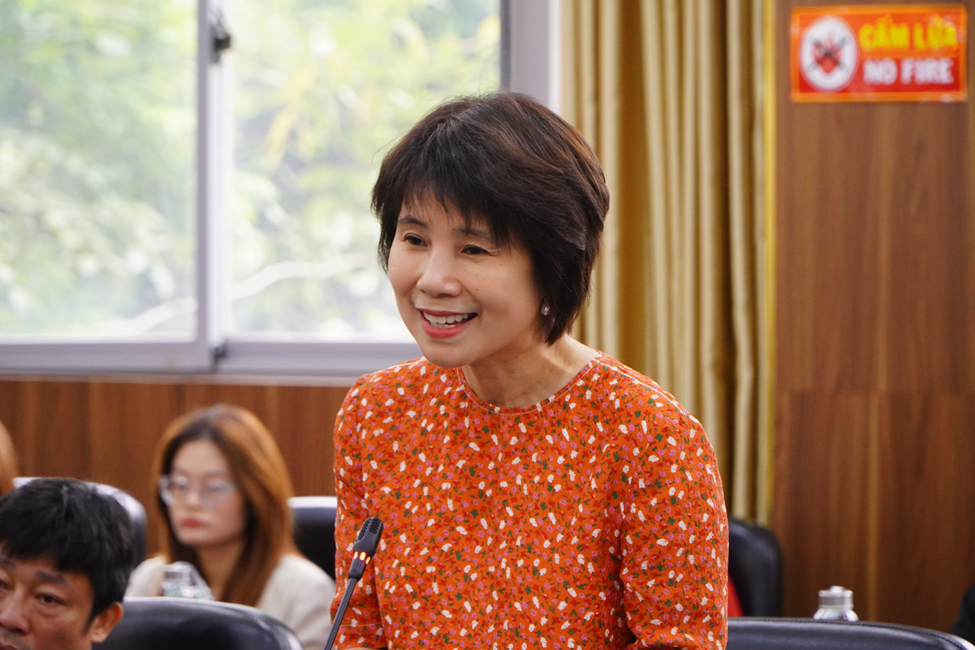
Speaking at the event, Associate Professor Nguyen Thi Anh Tuyet, Vice Dean of the School of Chemistry and Life Sciences, emphasized the importance of collaboration with industry in education, research, and technology transfer.
This is not merely a formal statement. In reality, such exchanges act as “extended classrooms,” where students gain direct exposure to global industrial thinking.
Through the discussion, Mr. Dago expressed particular impressions of:
This is a crucial point. In today’s context, competitiveness comes not only from knowledge, but from the ability to understand real market challenges.
Innovation Is No Longer a Product – It Is an Ecosystem
Another notable perspective from the talk was how companies define “innovation.”
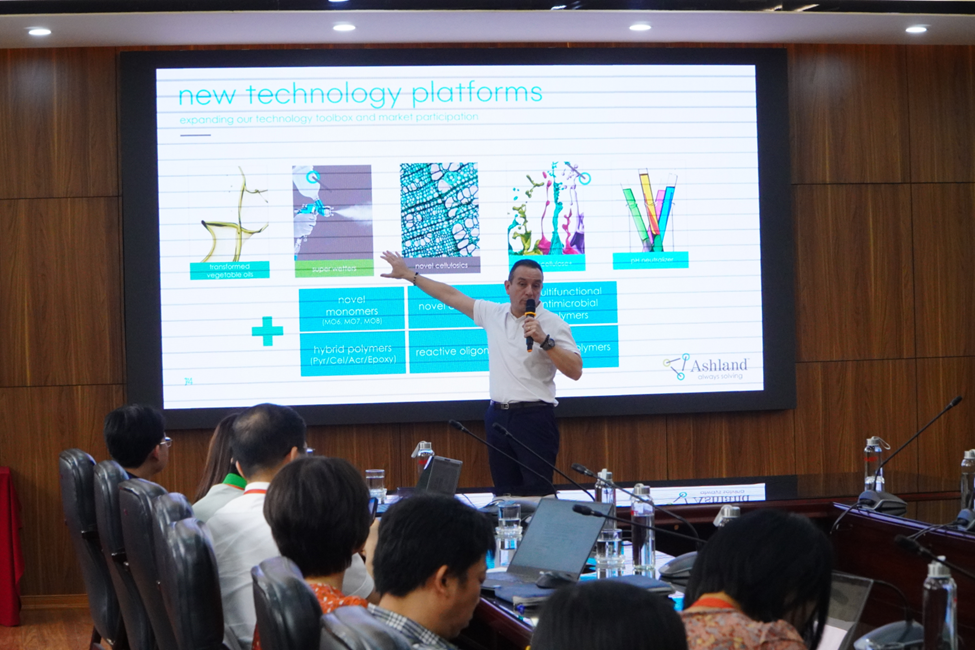
Instead of focusing on individual products, Ashland builds technology platforms that can be reused, scaled, and adapted across multiple industries—from pharmaceuticals and cosmetics to construction materials.
This approach demonstrates that:
Vietnam at a “Window of Opportunity” in the Chemical Industry
From a broader perspective, Mr. Dago noted that Vietnam has all the conditions needed to develop its chemical and materials sectors:
In other words, Vietnam is not just a market, but has the potential to become a “laboratory” for new technological solutions.
One Talk, Many Big Questions
The session concluded with simple yet strategic advice:
And perhaps, that is the most important lesson from the morning of April 4.
From “Part of the Problem” to “Solver of Global Challenges”
One of the most notable messages from Mr. Dago’s presentation was the shifting role of the chemical industry.
In the past, chemistry was often seen as “part of the problem” – associated with pollution, emissions, and resource depletion. Today, however, the industry is transforming into “part of the solution.”
This is not just a slogan. It represents a structural shift across global industries: from growth driven by output to growth driven by value, technology, and sustainability.
Ashland, the company Mr. Dago represents, is a prime example. Once an oil refining company, it has transformed into a specialty chemicals business focused on core technologies, innovation, and sustainable development.
This highlights an important reality: the future of chemistry lies not in producing more, but in creating smarter solutions.
ESG Is No Longer Optional – It Is a Condition for Survival
Another key highlight of the talk was Ashland’s holistic approach to sustainability, built on three pillars: raw materials, operations, and solutions.
The company’s targets are not just commitments—they reflect real pressures from the global market:
- Reducing greenhouse gas emissions by more than 50% over the next decade
- Increasing the share of renewable energy
- Driving a majority of revenue from sustainable products
For students and educational institutions, this raises a critical question: are current curricula keeping pace with the rapid changes in industry?
Bridging the Gap Between Academia and Practice
Speaking at the event, Associate Professor Nguyen Thi Anh Tuyet, Vice Dean of the School of Chemistry and Life Sciences, emphasized the importance of collaboration with industry in education, research, and technology transfer.
This is not merely a formal statement. In reality, such exchanges act as “extended classrooms,” where students gain direct exposure to global industrial thinking.
Through the discussion, Mr. Dago expressed particular impressions of:
- Students’ solid academic foundation
- Their ability to connect theory with real-world problems
- Strong interest in sustainability topics
This is a crucial point. In today’s context, competitiveness comes not only from knowledge, but from the ability to understand real market challenges.
Innovation Is No Longer a Product – It Is an Ecosystem
Another notable perspective from the talk was how companies define “innovation.”
Instead of focusing on individual products, Ashland builds technology platforms that can be reused, scaled, and adapted across multiple industries—from pharmaceuticals and cosmetics to construction materials.
This approach demonstrates that:
- Innovation is no longer linear
- Value lies in integration and scalability
- Technology must be tied to an application ecosystem
Vietnam at a “Window of Opportunity” in the Chemical Industry
From a broader perspective, Mr. Dago noted that Vietnam has all the conditions needed to develop its chemical and materials sectors:
- A high-quality workforce
- Available resources
- And, importantly, pressing challenges to solve
In other words, Vietnam is not just a market, but has the potential to become a “laboratory” for new technological solutions.
One Talk, Many Big Questions
The session concluded with simple yet strategic advice:
- Start connecting with industry early
- Take on challenging problems
- Collaborate rather than work in isolation
- How will higher education adapt to the speed of industrial change?
- What should students prepare to avoid falling out of sync with the labor market?
- And what role will businesses play in shaping educational programs?
And perhaps, that is the most important lesson from the morning of April 4.